
U.K. inflation unexpectedly eased to a 15-month low in June, offering early political relief to Prime Minister Andy Burnham but leaving the Bank of England facing persistent price pressures and renewed risks from higher energy costs.
The Consumer Prices Index rose 2.6 percent in the 12 months through June, down from 2.8 percent in May and below economists’ forecast of 2.7 percent. The reading was the lowest since March 2025 but remained above the Bank of England’s 2 percent target.
The slowdown does not mean that overall prices fell. It means consumer prices continued rising, but at a slower annual rate than during the previous month.
Sterling showed little immediate reaction to the figures and traded at approximately $1.338 against the US dollar.
Fuel prices lead
Lower motor fuel prices provided the largest downward contribution to June’s inflation rate after a temporary easing of hostilities between the United States and Iran reduced pressure on international oil markets.
Petrol and diesel prices fell by a combined 3.1 percent between May and June. Average petrol prices declined by 2.1 pence per litre, while diesel prices dropped by 10.7 pence per litre.
Annual motor fuel inflation consequently slowed to 21.3 percent from 24.6 percent in May. The movement subtracted approximately 0.1 percentage point from the headline inflation rate.
The Office for National Statistics said declining fuel prices, particularly diesel, were principally responsible for the easing in inflation. Food prices also fell during the month, led by products including chocolate, margarine and beef, while clothing became cheaper as retailers introduced larger summer discounts than they had a year earlier.
The reduction in fuel prices reflected the short-lived de-escalation in the Middle East, meaning part of June’s improvement may prove temporary if crude oil and refined fuel prices remain elevated.
Food inflation eases
Annual inflation for food and non-alcoholic beverages slowed to approximately 1.7 percent in June from 2.2 percent in May, providing some relief for households after several years of substantial increases in grocery bills.
Clothing and footwear prices also declined as summer sales began, with discounts exceeding those recorded during the corresponding period of 2025.
Costs facing manufacturers showed further moderation. Raw material prices fell for the first time since January, primarily because of lower crude oil prices, while inflation in the prices of goods leaving factories slowed again.
The improvements were not evenly distributed across the economy. Core inflation, which excludes energy, food, alcohol and tobacco, remained unchanged at 2.6 percent.
Services inflation, which the Bank of England closely monitors for evidence of persistent domestic pressure, edged down to 3.6 percent from 3.7 percent. The figure was slightly higher than economists had anticipated and suggested that underlying inflation had not disappeared.
Travel costs diverge
Price movements across travel and hospitality services were mixed during June. Sea transport inflation slowed considerably to 5.7 percent from 11.9 percent, helping reduce the overall services reading.
Airfare inflation moved in the opposite direction, accelerating to 3.1 percent from 0.9 percent. Hotel inflation increased to 3.8 percent from 3.1 percent, while restaurant prices rose by approximately 4.5 percent annually, compared with 4.4 percent in May.
These figures reinforce the distinction between the headline inflation rate and domestically generated price pressures. Energy and internationally traded goods can move rapidly in response to commodity markets and exchange rates, while services prices are more closely connected to wages, rents and operating costs.
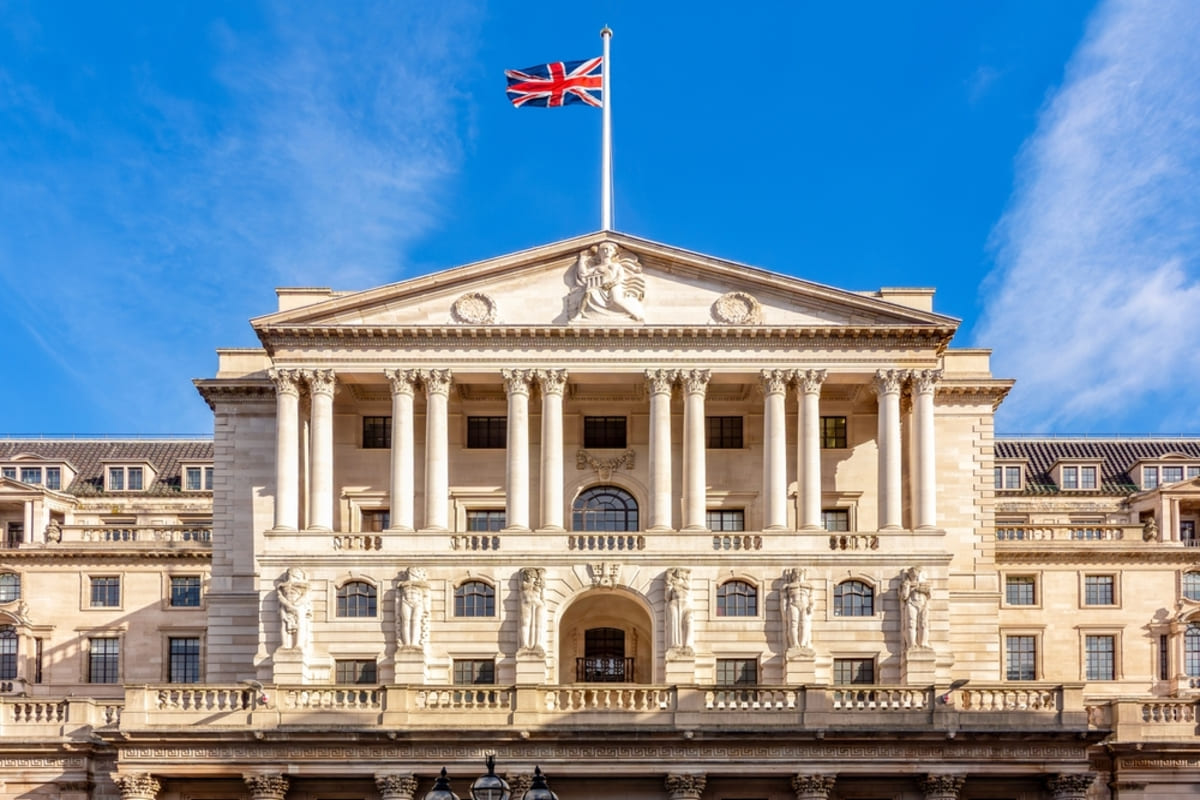
The continued strength of services inflation is therefore likely to remain important when the Bank of England’s Monetary Policy Committee meets to determine interest rates.
Burnham gets boost
The inflation figures offered a temporary political boost to Andy Burnham, who became prime minister on Monday after campaigning on a promise to reduce household living costs.
The government has announced measures intended to ease financial pressure, including changes to value-added tax on electricity from October and a GBP2 limit on most bus fares in England beginning in January.
Chancellor John Healey welcomed the decline in inflation but acknowledged that additional action would be required to improve living standards and reduce household expenses.
The lower June reading could help the government demonstrate early progress on living costs. However, the economic benefit may be limited if renewed geopolitical tensions keep oil and gas prices elevated or cause another increase in transportation and production costs.
Higher inflation can also increase government borrowing costs, restrict the Treasury’s fiscal flexibility and complicate plans to support households without adding further pressure to public finances.
Energy risks return
The temporary improvement in inflation preceded renewed fighting between the United States and Iran, which pushed oil prices back above $90 per barrel and revived concerns about energy supplies.
British households are also facing a 13.5 percent increase in Ofgem’s energy price cap for July through September. The cap rose by GBP221 to GBP1,862 for a typical household paying by direct debit, according to the Bank of England’s June policy minutes.
The higher cap was not fully reflected in June’s inflation figures because it took effect in July. Its impact will appear in subsequent consumer price data and could reverse part of the latest decline.
Economists expect inflation to move above 3 percent during the autumn. Some forecasts place the rate at approximately 3.5 percent by the end of 2026 or early 2027 if elevated energy prices continue passing through to household bills and business costs.
Rates likely unchanged
The Bank of England maintained Bank Rate at 3.75 percent in June after the Monetary Policy Committee voted 7–2 to leave borrowing costs unchanged. Two members supported a quarter-percentage-point increase to 4 percent.
The Bank of England said global energy prices had declined from earlier peaks but remained above their pre-conflict levels and continued to display considerable volatility.
The central bank cannot directly control global oil or gas prices. Its task is to prevent an energy shock from becoming embedded in wages, inflation expectations and broader business pricing decisions.
The committee said weaker demand and a gradually loosening labor market could restrain these secondary effects. However, it warned that the risk of persistent pressure would increase if elevated energy prices continued for an extended period.
A Reuters poll indicated that economists expect policymakers to keep Bank Rate at 3.75 percent at their July 30 meeting.
Policy divide widens
June’s policy vote showed that concerns about inflation were already dividing the Monetary Policy Committee before the latest escalation in the Middle East.
The majority considered existing financial conditions sufficiently restrictive, noting that higher mortgage and corporate borrowing rates were already weighing on households and businesses. Members also identified evidence that underlying inflation had been moderating before the energy shock.
The two members who favored an increase were less confident that domestic inflation was slowing sustainably. They were particularly concerned that households and companies had become more sensitive to inflation following several years of elevated prices.
The Bank reported that households’ expectations for inflation over the following year had increased from 3.2 percent in February to 4 percent in May. Business expectations for their own price increases stood at 4 percent in May, down from 4.4 percent in April but still above their pre-conflict level.
Wages shape outlook
Wage developments will influence whether the Bank treats higher energy prices as temporary or responds with tighter monetary policy. Private-sector regular earnings increased 2.9 percent annually in the three months through April, while public-sector regular pay rose 5.1 percent.
The Bank’s regional representatives expected private-sector pay settlements to average approximately 3.5 percent during 2026. Most settlements were agreed before the latest increase in energy costs, reducing the immediate risk of workers reopening salary agreements.
The labor market has gradually loosened, with vacancies continuing to fall and underlying employment growth remaining close to zero. That could limit workers’ bargaining power and make it more difficult for companies to pass higher costs fully to consumers.
However, services inflation of 3.6 percent remains inconsistent with a rapid and sustained return to the 2 percent target, particularly if energy, transport and food costs begin rising again.
Economic trade-off
The British economy expanded by 0.6 percent during the first quarter of 2026, although the Bank of England estimated that underlying quarterly growth was closer to 0.2 percent. Monthly output subsequently declined by 0.1 percent in April.
This combination of subdued economic activity and above-target inflation creates a difficult policy trade-off. Raising rates could limit secondary inflation effects but would increase costs for mortgage holders, companies and the government. Holding rates steady could support activity but leave policymakers vulnerable if price pressures become more persistent.
June’s inflation decline provides evidence that some underlying pressures are easing. Nevertheless, falling fuel prices accounted for a meaningful portion of the improvement, while services inflation remained comparatively strong.
For more news on economy, click here.