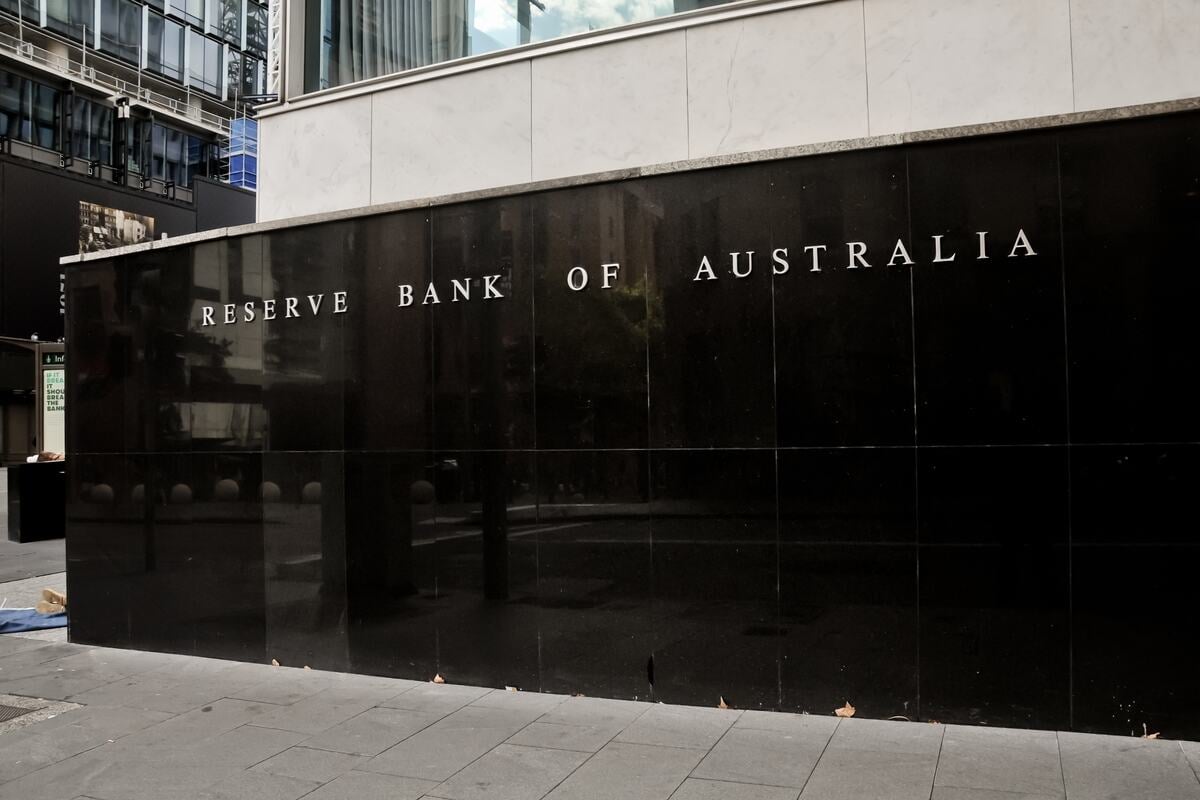
The Reserve Bank of Australia increased interest rates by 25 basis points on Tuesday, in line with expectations, as it grapples with a late-2025 rebound in inflation and the risk of energy price shocks stemming from the Middle East conflict.
The central bank lifted its benchmark rate to 4.1 percent, marking its second hike this year following a similar move in February. The latest hike lifted interest rates to a 10-month high and unwound two of the three cuts it made last year, cautioning that risks to inflation have tilted further to the upside.
Recent rise in inflation drives rate hike decision
The central bank’s March decision appeared more divided, with four of the nine members on the rate-setting board opting to keep rates unchanged.
The Reserve Bank of Australia has kicked off a crucial week for major central banks, as Middle East tensions trigger an oil shock. The Federal Reserve and the European Central Bank are widely expected to keep interest rates unchanged, although the conflict risks disrupting their policy outlook. Rising energy prices from the ongoing tensions could complicate their future decisions by reigniting inflationary pressures.
Speaking at a press conference following the meeting, RBA Governor Michele Bullock said all board members agreed that a rate hike was necessary, with the only debate centered on its timing, a remark traders interpreted as hawkish.
Bullock also emphasized that the Reserve Bank of Australia is more concerned about persistent inflation than risks in the labor market. Policymakers pointed to a recent rise in inflation as the key driver behind the decision, warning that price growth is likely to remain above the 2-3 percent target range and that risks have tilted further to the upside, particularly amid uncertainty surrounding tensions in the Middle East.
Read: U.S. hits South Korea with 25 percent tariff hike over trade deal delays
Markets price further interest rate increases
The Australian dollar rose 0.2 percent to $0.7088 after Bullock outlined the rationale behind the closely contested decision. Three-year government bond futures also trimmed earlier losses, slipping just 2 ticks to 95.41.
Markets priced in about a 40 percent chance of another rate hike in May, with a move to 4.35 percent by August fully anticipated.
The Reserve Bank of Australia adopted a more measured approach than its global peers during the inflation surge, prioritizing gains in the labor market over aggressive tightening. Interest rates peaked at 4.35 percent early last year before three cuts reduced them to 3.6 percent.
However, that strategy saw inflation resurface in the second half of the year, prompting the central bank to resume rate hikes last month. Headline CPI stood at 3.8 percent in January, while the core measure climbed to a 16-month high of 3.4 percent, signaling renewed upward pressure on prices.
The labor market also remained tight, with the unemployment rate holding at a historically low 4.1 percent. The economy expanded 2.6 percent year-on-year in the December quarter, its fastest annual pace in nearly three years and well above the RBA’s estimated 2 percent potential growth rate.
For more news on banking & finance, click here.