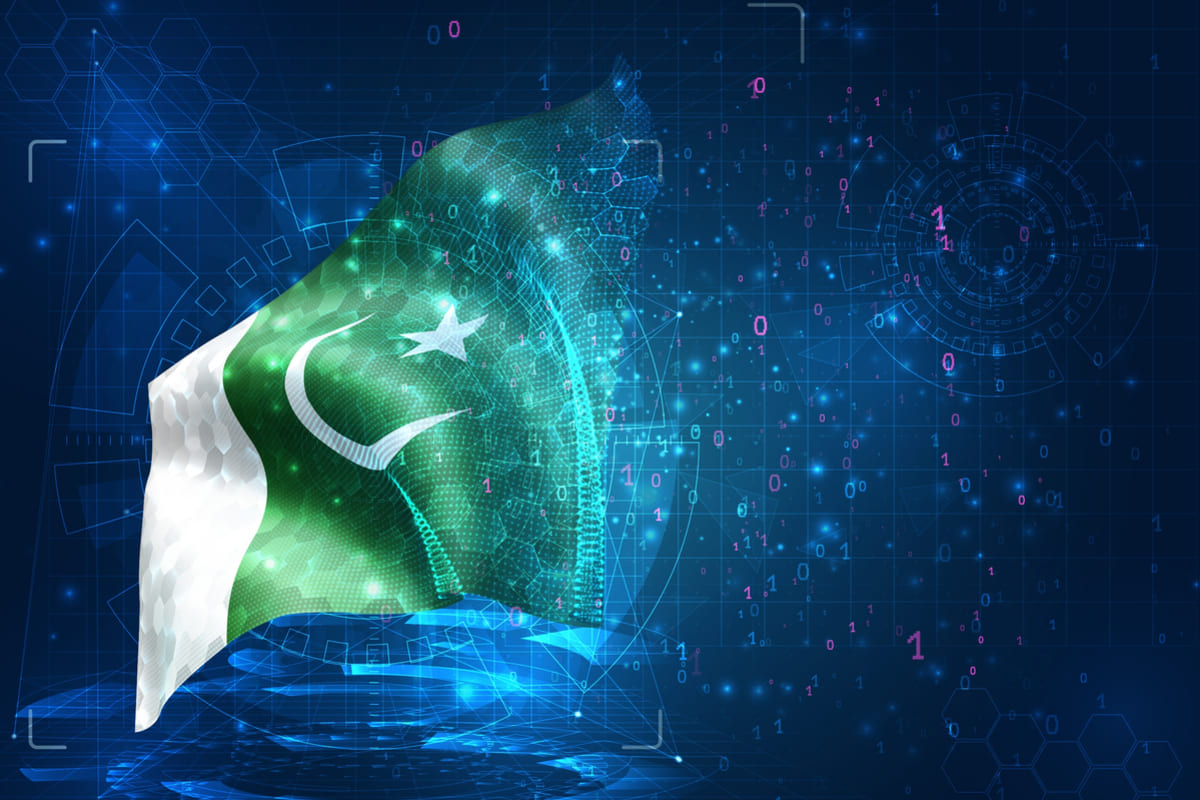
Pakistan has committed $1 billion toward artificial intelligence (AI) by 2030 to modernize the country’s digital landscape and support its younger generation.
Prime Minister Shehbaz Sharif disclosed the plan during the launch of Indus AI Week 2026, noting that the capital injection serves as a strategic initiative to bolster the digital economy and elevate living standards. This funding aims to establish an all-encompassing AI framework that provides opportunities for the nation’s youth, who currently constitute 60 percent of the population.
Pakistan’s AI workforce transformation
The Prime Minister detailed that AI integration will primarily target high-impact areas such as agriculture, mines and minerals, industry, commerce, and trade. Sharif emphasized that Pakistan is prepared to embrace this challenge and collaborate with international partners to modernize local expertise. The goal is to move the workforce beyond basic IT roles and transform technicians into AI experts. This shift is expected to yield significant improvements in agricultural efficiency and industrial growth, while also promoting women’s empowerment across various sectors.
Sovereign AI education
To build a sustainable talent pipeline, the government plans to introduce an AI curriculum in all government-run schools, including those in Azad Jammu and Kashmir, Gilgit-Baltistan, and remote areas of Balochistan. Furthermore, the state will provide 1,000 fully funded PhD scholarships in AI by 2030 to develop top-tier research capabilities. These initiatives aim to establish Pakistan as a regional hub for technological innovation rather than just a consumer of global tools.
Nationwide AI skill development
Beyond academic research, the government will launch a nationwide program to train 1 million non-information technology professionals in AI skills. This initiative is intended to enhance productivity and modernize traditional sectors of the economy. By equipping a broad segment of the workforce with modern techniques, the government hopes to unlock unprecedented gains in the quality and yield of national production.
Driving sector-wide AI integration
The announcement, made during the inaugural session of “Indus AI Week 2026” on February 9, marks a transition from policy to implementation following the official adoption of the Islamabad Declaration on Sovereign AI. This landmark declaration outlines eight strategic pillars, including sovereign data privacy and a “whole-of-government” approach to AI governance, aimed at ensuring Pakistan is a maker rather than just a taker of global technology. To bridge the infrastructure gap, the Ministry of IT and Telecommunication (MoITT) has secured strategic partnerships with telecom giants JazzWorld and Zong, the latter bringing expertise from China Mobile to build high-performance computing foundations and local language models. These efforts are already reflected in the economy, as Pakistan’s IT exports hit a record $2.24 billion in the first half of fiscal year 2025-26, supported by a 26 percent year-on-year surge in monthly figures.
Furthermore, the Uraan Pakistan economic agenda has prioritized the integration of AI into the Special Investment Facilitation Council (SIFC) projects, particularly for increasing efficiency in the mining and agricultural sectors.
For more news on technology, click here.