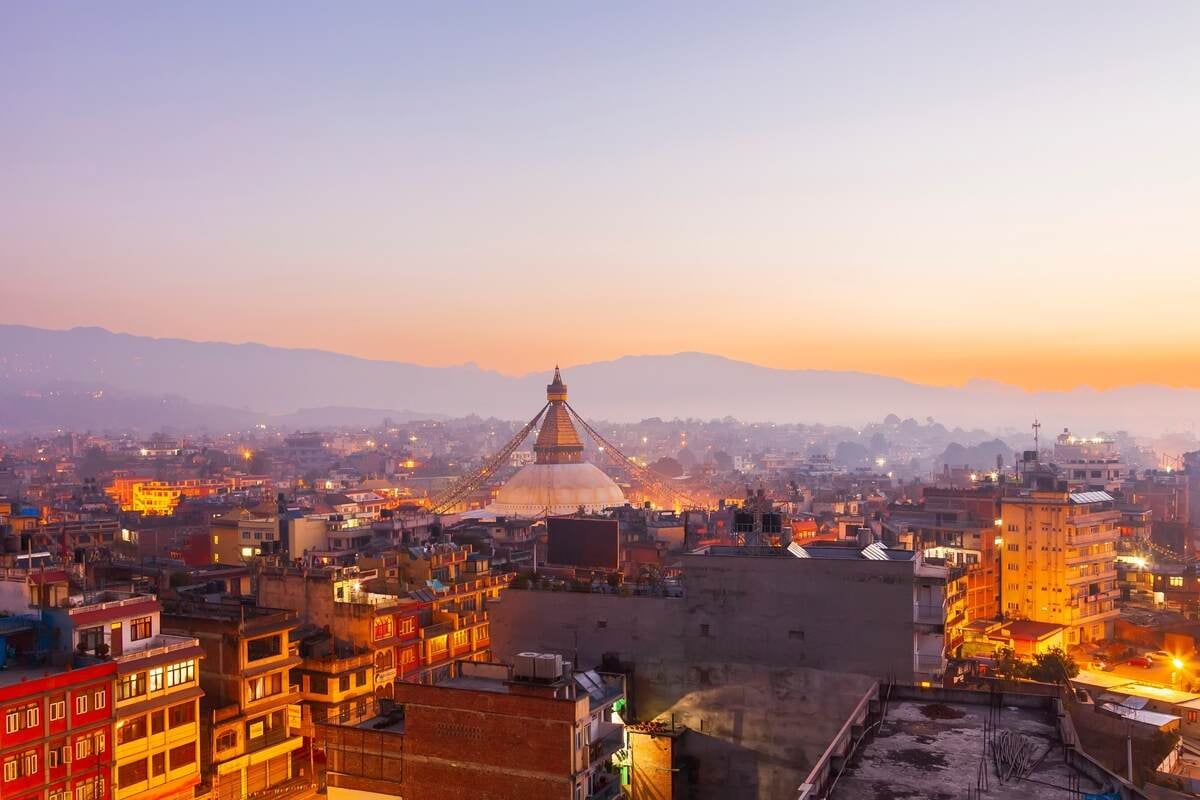
Nepal’s economic recovery is expected to continue into FY 2026, albeit at a more moderate pace, as the country navigates a complex domestic landscape and persistent global uncertainty, according to the International Monetary Fund.
While macroeconomic conditions show signs of stabilization, Nepal stands at a pivotal moment in its development path. Recent youth-led protests have highlighted growing public demands for greater transparency, stronger governance and a fairer distribution of economic opportunities and resources.
As the country moves forward, policymakers face the challenge of striking a careful balance between political stability and prudent economic and financial reforms to manage a difficult transition in an increasingly uncertain global environment. Ensuring that this process delivers inclusive and sustainable growth will be critical to securing Nepal’s long-term economic future.
Nepal’s real GDP rises to an estimated 4.3 percent in FY 2025
“History shows that more equal societies tend to be associated with greater economic stability and more sustained growth. This will be a helpful guiding strategy as Nepal charts its own path to change. Indeed, a solid strategy needs to be founded on two key pillars: economic stability and inclusive growth,” says the IMF.
In 2022, stability was among the top priorities when the country’s leaders approached the IMF for support. The collapse of tourism in the wake of the COVID-19 pandemic took a heavy toll on Nepal’s economy, including on its job market.
The IMF’s financing package assisted the authorities’ COVID-19 response in mitigating the pandemic’s impact on economic activity, protecting vulnerable groups and laying the groundwork for sustained growth. The program also supported reforms to foster durable growth and reduce poverty over the medium term, including by implementing cross-cutting institutional reforms to improve governance and reduce corruption vulnerability.
In October, Nepal completed the sixth of seven program reviews, showing tangible improvement in economic recovery. Indeed, Nepal has been seeing the green shoots of recovery with real GDP growth rising from a mere 2 percent in FY 2023, to 3.7 percent in FY 2024, to an estimated 4.3 percent in FY 2025, more than double the pace in just a few years.
Nepal’s foreign exchange reserves rise to nearly $20 billion
Nepal has also been very successful in rebuilding policy buffers and advancing economic recovery. Foreign exchange reserves have risen to nearly $20 billion, enough to cover almost a full year of imports. Fiscal discipline has helped stabilize public debt. Inflation remains well below the Nepal Rastra Bank’s target. This hard-won economic stability should be safeguarded.
At the same time, the economy hasn’t fully recovered. Domestic demand remains subdued, investor confidence is waning and more efforts are needed to protect vulnerable people.
However, Nepal has made notable progress on structural reforms, supported in part by IMF capacity-building efforts. Fiscal transparency and revenue frameworks have strengthened through the publication of key strategies and reports, while updated guidelines for the National Project Bank aim to improve the selection and execution of capital projects.
Read: U.S. trade deficit plummets 39 percent to below $30 billion as Trump tariffs curb imports
Structural challenges and new headwinds threaten gains
In the financial sector, enhanced bank supervision and a comprehensive loan portfolio review of major commercial banks are providing clearer insights into banking system health. Governance and transparency have also improved, including advances in anti-money laundering measures, audits of priority state-owned enterprises, and ongoing efforts to strengthen the autonomy of the central bank.
However, persistent structural challenges and new headwinds threaten these gains. Policymakers are urged to ensure economic stability translates into broadly shared benefits by accelerating budget execution, improving project readiness—particularly in hydropower and trade infrastructure—and easing logistical bottlenecks to attract private investment.
Over the medium term, deeper reforms to strengthen governance, improve the investment climate, enhance financial oversight, expand trade integration and bolster targeted social protection will be essential to unlock private-sector-led, inclusive and sustainable growth.
For more news on economy, click here.