Share

Manchester United stadium regeneration could add $9.8 billion annually, create 92,000 jobs

The wider Old Trafford plan could deliver more than 17,000 homes and attract an additional 1.8 million visitors annually
Manchester United stadium regeneration could add $9.8 billion annually, create 92,000 jobs
The projected impact covers the entire regeneration district rather than the stadium alone

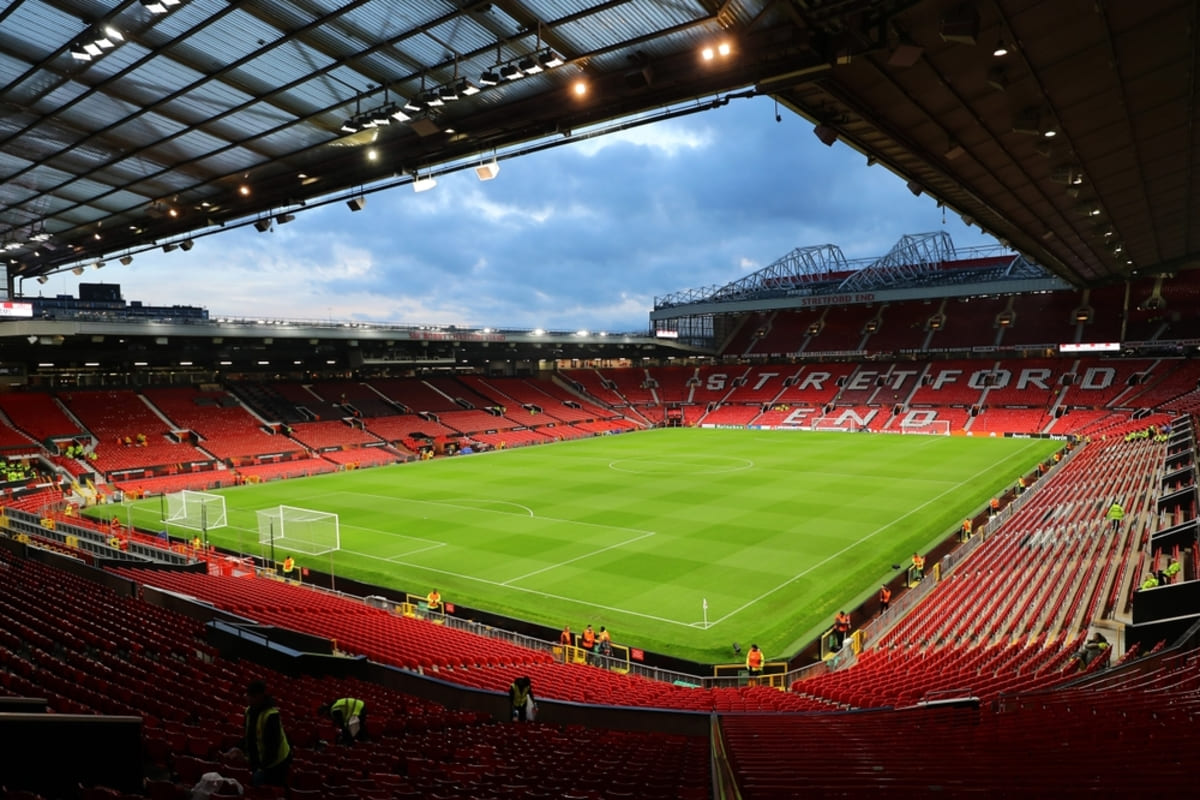
Manchester United’s proposed stadium-led regeneration has advanced from an assessment of two competing options to a plan for a new 100,000-seat arena beside Old Trafford, supported by a wider mixed-use district.

An economic feasibility study commissioned by the Premier League club estimated that regenerating the Old Trafford area could contribute GBP7.3 billion, equivalent at the time to about $9.82 billion, to the British economy every year.

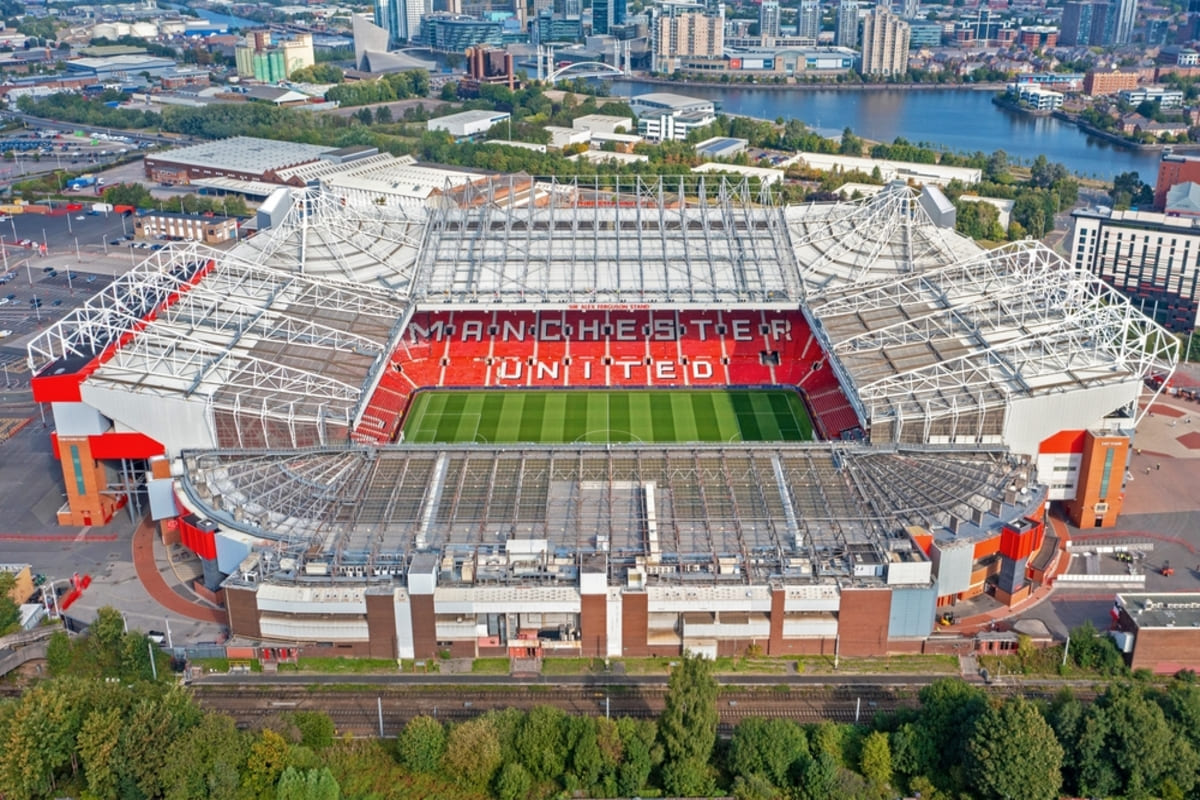
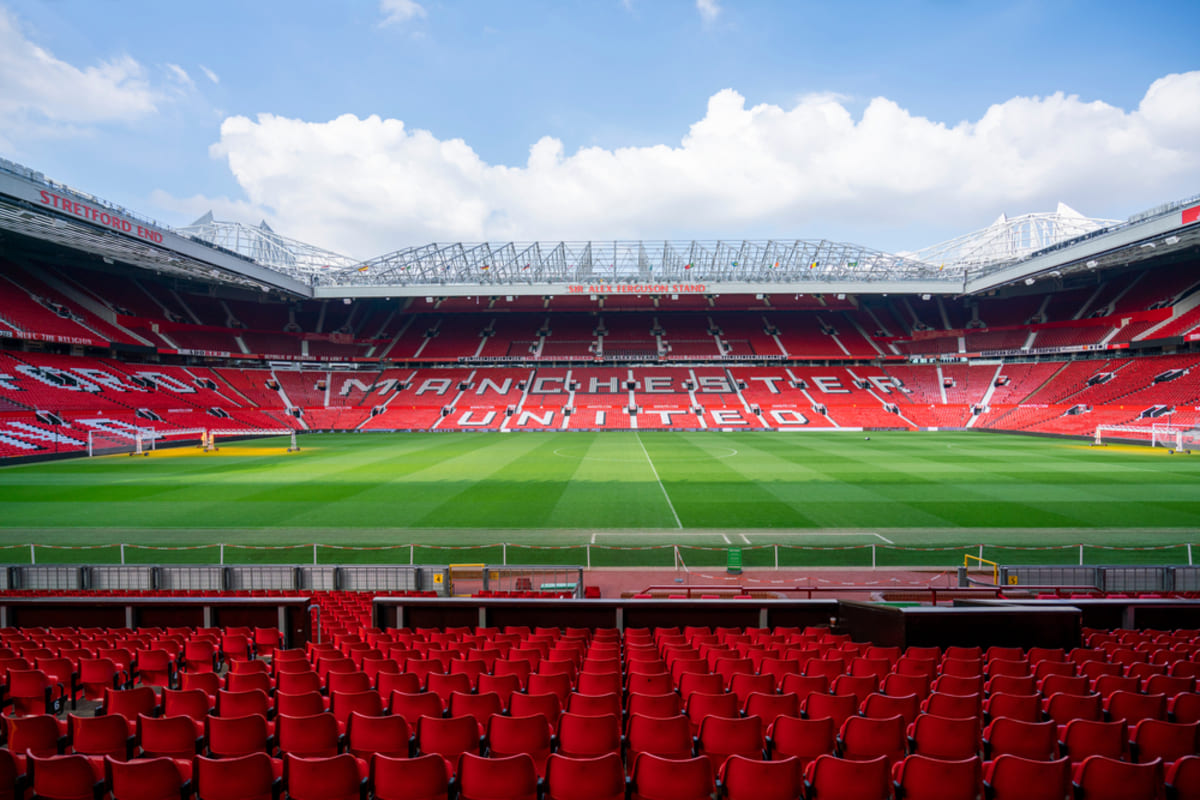
When the study was released in September 2024, Manchester United was considering either building a new stadium for an estimated GBP2 billion or redeveloping Old Trafford, which had a capacity of approximately 74,000.

Greater Manchester Mayor Andy Burnham supported the wider regeneration ambition but said public money would not be used to build the stadium.

The surrounding neighborhood was envisioned as a mixed-use development incorporating homes, shopping centers, public spaces and new transport stations.

Economic impact forecast

Global advisory firm Oxford Economics estimated that the regeneration program could support 92,000 new jobs, deliver more than 17,000 homes and attract an additional 1.8 million visitors to the area each year.

Burnham said the development had the potential to become the largest regeneration project he had seen in Britain.

He expressed hope that the project would deliver the world’s best football stadium while ensuring that the surrounding community benefited from the investment.

The plan was led by Manchester United co-owner Sir Jim Ratcliffe, the British billionaire who acquired a minority stake in the club in February 2024.

Ratcliffe had initially raised the possibility of seeking government assistance for what he described as a “Wembley of the North.” However, Burnham’s comments indicated that the stadium itself would need to be financed privately.

Manchester United appointed Foster + Partners in September 2024 to prepare a master plan for the stadium and surrounding district.

The club also consulted supporters about the available options. Former Manchester United captain Gary Neville, who served on the Old Trafford Regeneration Task Force, encouraged fans to participate and share their views.
Manchester United stadium regenerationAn economic feasibility study commissioned by the Premier League club estimated that regenerating the Old Trafford area could contribute GBP7.3 billion, equivalent at the time to about $9.82 billion, to the British economy every year.When the study was released in September 2024, Manchester United was considering either building a new stadium for an estimated GBP2 billion or redeveloping Old Trafford, which had a capacity of approximately 74,000.Greater Manchester Mayor Andy Burnham supported the wider regeneration ambition but said public money would not be used to build the stadium.The surrounding neighborhood was envisioned as a mixed-use development incorporating homes, shopping centers, public spaces and new transport stations.Economic impact forecastGlobal advisory firm Oxford Economics estimated that the regeneration program could support 92,000 new jobs, deliver more than 17,000 homes and attract an additional 1.8 million visitors to the area each year.Burnham said the development had the potential to become the largest regeneration project he had seen in Britain.He expressed hope that the project would deliver the world’s best football stadium while ensuring that the surrounding community benefited from the investment.The plan was led by Manchester United co-owner Sir Jim Ratcliffe, the British billionaire who acquired a minority stake in the club in February 2024.Ratcliffe had initially raised the possibility of seeking government assistance for what he described as a “Wembley of the North.” However, Burnham’s comments indicated that the stadium itself would need to be financed privately.Manchester United appointed Foster + Partners in September 2024 to prepare a master plan for the stadium and surrounding district.The club also consulted supporters about the available options. Former Manchester United captain Gary Neville, who served on the Old Trafford Regeneration Task Force, encouraged fans to participate and share their views.New stadium chosenManchester United subsequently confirmed in March 2025 that it intended to pursue a new 100,000-seat stadium instead of redeveloping the existing ground.The proposed arena would be built next to Old Trafford and become Britain’s largest football stadium. The club estimated that construction could be completed within five years.According to the stadium announcement reported by Reuters, the venue would have a gross capacity of 104,000, placing it behind only Barcelona’s expanded Camp Nou among European football stadiums.The design produced by Foster + Partners includes a large umbrella-style canopy covering the stadium and a public plaza twice the size of London’s Trafalgar Square.Three masts would form the venue’s most recognizable architectural feature. The tallest would reach 200 meters, exceeding the height of Manchester’s 169-meter Beetham Tower and Wembley Stadium’s 135-meter arch.The club said the structure could be visible from as far as 37.4 kilometers away under favorable conditions, including parts of Cheshire, the Peak District and the outskirts of Liverpool.Faster construction plannedFoster + Partners proposed using prefabricated sections to reduce the normal stadium construction period. Components could be transported through the Manchester Ship Canal, reconnecting the project with the area’s industrial and maritime heritage.The stadium canopy is designed to collect rainwater and generate energy while protecting a new public plaza and surrounding commercial spaces.Foster + Partners said the fan experience would remain central to the design, with seating intended to bring spectators closer to the pitch and improve the stadium’s acoustics and atmosphere.The new venue would replace Old Trafford as Manchester United’s principal home. Old Trafford has hosted the club since 1910 and was rebuilt after sustaining extensive damage during the Second World War.The stadium underwent major expansions during the 1990s and 2000s but has not received a significant redevelopment since 2006. Concerns about its condition have grown following roof leaks, drainage problems and reported rodent sightings.Manchester United has also fallen behind newer Premier League venues in its ability to host concerts, corporate events and other activities outside matchdays.Wider district advancesTrafford Council backed the regeneration program in January 2025 and approved work to establish a sustainable international destination around the stadium, Manchester Ship Canal and Imperial War Museum North.The wider plan was expected at that stage to support around 48,000 local jobs, deliver approximately 15,000 homes and contribute GBP4.2 billion to the regional economy. These planning estimates used a different geographic scope and methodology from the Oxford Economics figures of 92,000 jobs, 17,000 homes and GBP7.3 billion in annual national economic value.British Chancellor Rachel Reeves also backed the regeneration concept, viewing the project as a potential driver of economic growth in Greater Manchester.The public sector’s role is focused on the surrounding district, transport connections, land assembly and infrastructure rather than paying for the football stadium.In June 2026, Manchester United reached another major milestone by securing most of the land required for the new venue.The club acquired the majority of a 25-acre site from industrial property company Indurent, providing space for the stadium approximately 350 meters northwest of Old Trafford.The land deal allowed the club to advance its plans without relying on the neighboring Freightliner rail terminal, where earlier negotiations had encountered disagreements over the site’s value.Read more: Saudi Arabia, U.S. turn 2026 and 2034 World Cups into investment platform spanning 15 stadiums across five citiesLand deal securedManchester United’s official land announcement described the stadium as the centerpiece of a 370-acre regeneration project.The latest framework is expected to deliver around 15,000 homes, including affordable housing, create approximately 48,000 jobs locally and more than 90,000 nationally, and contribute more than GBP7 billion annually to the United Kingdom’s economy.The club said the new site would allow it to preserve Old Trafford’s heritage and matchday traditions while creating a modern venue with improved facilities, accessibility and supporter experiences.Securing the land does not by itself authorize construction. The development still requires detailed design work, public consultation, planning permission, financing and coordination with local and national authorities.The final future of the existing Old Trafford stadium also remains undecided. Options could include retaining part of the ground, adapting it for another use or incorporating its heritage into the wider regeneration district.Financing remains centralThe proposed new stadium has been widely estimated to cost around GBP2 billion, although the final amount will depend on design decisions, construction costs, infrastructure requirements and the project’s financing structure.The scale of the investment presents a financial challenge for Manchester United. When the detailed plans were announced in 2025, the club’s liabilities, including outstanding transfer payments, exceeded GBP1 billion.Chief Executive Omar Berrada has acknowledged that stadium investment could affect spending in other areas, including the playing squad, during the construction period.The project’s commercial case depends partly on the increased capacity and the stadium’s ability to host events throughout the year. Additional hospitality areas, concerts, retail, dining, tourism and corporate activities could generate revenue beyond Premier League and European football matches.The wider regeneration would also need substantial investment in public transport, pedestrian routes, utilities, roads and community facilities to accommodate residents, workers and millions of additional visitors.Manchester United’s decision to build a new stadium has therefore transformed the original feasibility study into a long-term urban development program. The GBP7.3 billion estimate represents the projected annual contribution of the entire regeneration area to the British economy, rather than revenue generated solely by the football club or stadium.

New stadium chosen

Manchester United subsequently confirmed in March 2025 that it intended to pursue a new 100,000-seat stadium instead of redeveloping the existing ground.

The proposed arena would be built next to Old Trafford and become Britain’s largest football stadium. The club estimated that construction could be completed within five years.

According to the stadium announcement reported by Reuters, the venue would have a gross capacity of 104,000, placing it behind only Barcelona’s expanded Camp Nou among European football stadiums.

The design produced by Foster + Partners includes a large umbrella-style canopy covering the stadium and a public plaza twice the size of London’s Trafalgar Square.

Three masts would form the venue’s most recognizable architectural feature. The tallest would reach 200 meters, exceeding the height of Manchester’s 169-meter Beetham Tower and Wembley Stadium’s 135-meter arch.

The club said the structure could be visible from as far as 37.4 kilometers away under favorable conditions, including parts of Cheshire, the Peak District and the outskirts of Liverpool.

Faster construction planned

Foster + Partners proposed using prefabricated sections to reduce the normal stadium construction period. Components could be transported through the Manchester Ship Canal, reconnecting the project with the area’s industrial and maritime heritage.

The stadium canopy is designed to collect rainwater and generate energy while protecting a new public plaza and surrounding commercial spaces.

Foster + Partners said the fan experience would remain central to the design, with seating intended to bring spectators closer to the pitch and improve the stadium’s acoustics and atmosphere.

The new venue would replace Old Trafford as Manchester United’s principal home. Old Trafford has hosted the club since 1910 and was rebuilt after sustaining extensive damage during the Second World War.

The stadium underwent major expansions during the 1990s and 2000s but has not received a significant redevelopment since 2006. Concerns about its condition have grown following roof leaks, drainage problems and reported rodent sightings.

Manchester United has also fallen behind newer Premier League venues in its ability to host concerts, corporate events and other activities outside matchdays.

Wider district advances

Trafford Council backed the regeneration program in January 2025 and approved work to establish a sustainable international destination around the stadium, Manchester Ship Canal and Imperial War Museum North.

The wider plan was expected at that stage to support around 48,000 local jobs, deliver approximately 15,000 homes and contribute GBP4.2 billion to the regional economy. These planning estimates used a different geographic scope and methodology from the Oxford Economics figures of 92,000 jobs, 17,000 homes and GBP7.3 billion in annual national economic value.

British Chancellor Rachel Reeves also backed the regeneration concept, viewing the project as a potential driver of economic growth in Greater Manchester.

The public sector’s role is focused on the surrounding district, transport connections, land assembly and infrastructure rather than paying for the football stadium.

In June 2026, Manchester United reached another major milestone by securing most of the land required for the new venue.

The club acquired the majority of a 25-acre site from industrial property company Indurent, providing space for the stadium approximately 350 meters northwest of Old Trafford.

The land deal allowed the club to advance its plans without relying on the neighboring Freightliner rail terminal, where earlier negotiations had encountered disagreements over the site’s value.

Read more: Saudi Arabia, U.S. turn 2026 and 2034 World Cups into investment platform spanning 15 stadiums across five cities

Land deal secured

Manchester United’s official land announcement described the stadium as the centerpiece of a 370-acre regeneration project.

The latest framework is expected to deliver around 15,000 homes, including affordable housing, create approximately 48,000 jobs locally and more than 90,000 nationally, and contribute more than GBP7 billion annually to the United Kingdom’s economy.

The club said the new site would allow it to preserve Old Trafford’s heritage and matchday traditions while creating a modern venue with improved facilities, accessibility and supporter experiences.

Securing the land does not by itself authorize construction. The development still requires detailed design work, public consultation, planning permission, financing and coordination with local and national authorities.

The final future of the existing Old Trafford stadium also remains undecided. Options could include retaining part of the ground, adapting it for another use or incorporating its heritage into the wider regeneration district.
Manchester United’s proposed stadium-led regeneration has advanced from an assessment of two competing options to a plan for a new 100,000-seat arena beside Old Trafford, supported by a wider mixed-use district.An economic feasibility study commissioned by the Premier League club estimated that regenerating the Old Trafford area could contribute GBP7.3 billion, equivalent at the time to about $9.82 billion, to the British economy every year.When the study was released in September 2024, Manchester United was considering either building a new stadium for an estimated GBP2 billion or redeveloping Old Trafford, which had a capacity of approximately 74,000.Greater Manchester Mayor Andy Burnham supported the wider regeneration ambition but said public money would not be used to build the stadium.The surrounding neighborhood was envisioned as a mixed-use development incorporating homes, shopping centers, public spaces and new transport stations.Economic impact forecastGlobal advisory firm Oxford Economics estimated that the regeneration program could support 92,000 new jobs, deliver more than 17,000 homes and attract an additional 1.8 million visitors to the area each year.Burnham said the development had the potential to become the largest regeneration project he had seen in Britain.He expressed hope that the project would deliver the world’s best football stadium while ensuring that the surrounding community benefited from the investment.The plan was led by Manchester United co-owner Sir Jim Ratcliffe, the British billionaire who acquired a minority stake in the club in February 2024.Ratcliffe had initially raised the possibility of seeking government assistance for what he described as a “Wembley of the North.” However, Burnham’s comments indicated that the stadium itself would need to be financed privately.Manchester United appointed Foster + Partners in September 2024 to prepare a master plan for the stadium and surrounding district.The club also consulted supporters about the available options. Former Manchester United captain Gary Neville, who served on the Old Trafford Regeneration Task Force, encouraged fans to participate and share their views.New stadium chosenManchester United subsequently confirmed in March 2025 that it intended to pursue a new 100,000-seat stadium instead of redeveloping the existing ground.The proposed arena would be built next to Old Trafford and become Britain’s largest football stadium. The club estimated that construction could be completed within five years.According to the stadium announcement reported by Reuters, the venue would have a gross capacity of 104,000, placing it behind only Barcelona’s expanded Camp Nou among European football stadiums.The design produced by Foster + Partners includes a large umbrella-style canopy covering the stadium and a public plaza twice the size of London’s Trafalgar Square.Three masts would form the venue’s most recognizable architectural feature. The tallest would reach 200 meters, exceeding the height of Manchester’s 169-meter Beetham Tower and Wembley Stadium’s 135-meter arch.The club said the structure could be visible from as far as 37.4 kilometers away under favorable conditions, including parts of Cheshire, the Peak District and the outskirts of Liverpool.Faster construction plannedFoster + Partners proposed using prefabricated sections to reduce the normal stadium construction period. Components could be transported through the Manchester Ship Canal, reconnecting the project with the area’s industrial and maritime heritage.The stadium canopy is designed to collect rainwater and generate energy while protecting a new public plaza and surrounding commercial spaces.Foster + Partners said the fan experience would remain central to the design, with seating intended to bring spectators closer to the pitch and improve the stadium’s acoustics and atmosphere.The new venue would replace Old Trafford as Manchester United’s principal home. Old Trafford has hosted the club since 1910 and was rebuilt after sustaining extensive damage during the Second World War.The stadium underwent major expansions during the 1990s and 2000s but has not received a significant redevelopment since 2006. Concerns about its condition have grown following roof leaks, drainage problems and reported rodent sightings.Manchester United has also fallen behind newer Premier League venues in its ability to host concerts, corporate events and other activities outside matchdays.Wider district advancesTrafford Council backed the regeneration program in January 2025 and approved work to establish a sustainable international destination around the stadium, Manchester Ship Canal and Imperial War Museum North.The wider plan was expected at that stage to support around 48,000 local jobs, deliver approximately 15,000 homes and contribute GBP4.2 billion to the regional economy. These planning estimates used a different geographic scope and methodology from the Oxford Economics figures of 92,000 jobs, 17,000 homes and GBP7.3 billion in annual national economic value.British Chancellor Rachel Reeves also backed the regeneration concept, viewing the project as a potential driver of economic growth in Greater Manchester.The public sector’s role is focused on the surrounding district, transport connections, land assembly and infrastructure rather than paying for the football stadium.In June 2026, Manchester United reached another major milestone by securing most of the land required for the new venue.The club acquired the majority of a 25-acre site from industrial property company Indurent, providing space for the stadium approximately 350 meters northwest of Old Trafford.The land deal allowed the club to advance its plans without relying on the neighboring Freightliner rail terminal, where earlier negotiations had encountered disagreements over the site’s value.Read more: Saudi Arabia, U.S. turn 2026 and 2034 World Cups into investment platform spanning 15 stadiums across five citiesLand deal securedManchester United’s official land announcement described the stadium as the centerpiece of a 370-acre regeneration project.The latest framework is expected to deliver around 15,000 homes, including affordable housing, create approximately 48,000 jobs locally and more than 90,000 nationally, and contribute more than GBP7 billion annually to the United Kingdom’s economy.The club said the new site would allow it to preserve Old Trafford’s heritage and matchday traditions while creating a modern venue with improved facilities, accessibility and supporter experiences.Securing the land does not by itself authorize construction. The development still requires detailed design work, public consultation, planning permission, financing and coordination with local and national authorities.The final future of the existing Old Trafford stadium also remains undecided. Options could include retaining part of the ground, adapting it for another use or incorporating its heritage into the wider regeneration district.Financing remains centralThe proposed new stadium has been widely estimated to cost around GBP2 billion, although the final amount will depend on design decisions, construction costs, infrastructure requirements and the project’s financing structure.The scale of the investment presents a financial challenge for Manchester United. When the detailed plans were announced in 2025, the club’s liabilities, including outstanding transfer payments, exceeded GBP1 billion.Chief Executive Omar Berrada has acknowledged that stadium investment could affect spending in other areas, including the playing squad, during the construction period.The project’s commercial case depends partly on the increased capacity and the stadium’s ability to host events throughout the year. Additional hospitality areas, concerts, retail, dining, tourism and corporate activities could generate revenue beyond Premier League and European football matches.The wider regeneration would also need substantial investment in public transport, pedestrian routes, utilities, roads and community facilities to accommodate residents, workers and millions of additional visitors.Manchester United stadium regeneration

Financing remains central

The proposed new stadium has been widely estimated to cost around GBP2 billion, although the final amount will depend on design decisions, construction costs, infrastructure requirements and the project’s financing structure.

The scale of the investment presents a financial challenge for Manchester United. When the detailed plans were announced in 2025, the club’s liabilities, including outstanding transfer payments, exceeded GBP1 billion.

Chief Executive Omar Berrada has acknowledged that stadium investment could affect spending in other areas, including the playing squad, during the construction period.

The project’s commercial case depends partly on the increased capacity and the stadium’s ability to host events throughout the year. Additional hospitality areas, concerts, retail, dining, tourism and corporate activities could generate revenue beyond Premier League and European football matches.

The wider regeneration would also need substantial investment in public transport, pedestrian routes, utilities, roads and community facilities to accommodate residents, workers and millions of additional visitors.

Manchester United’s decision to build a new stadium has therefore transformed the original feasibility study into a long-term urban development program. The GBP7.3 billion estimate represents the projected annual contribution of the entire regeneration area to the British economy, rather than revenue generated solely by the football club or stadium.

For more news on economy, click here.
The stories on our website are intended for informational purposes only. Those with finance, investment, tax or legal content are not to be taken as financial advice or recommendation. Refer to our full disclaimer policy here.