
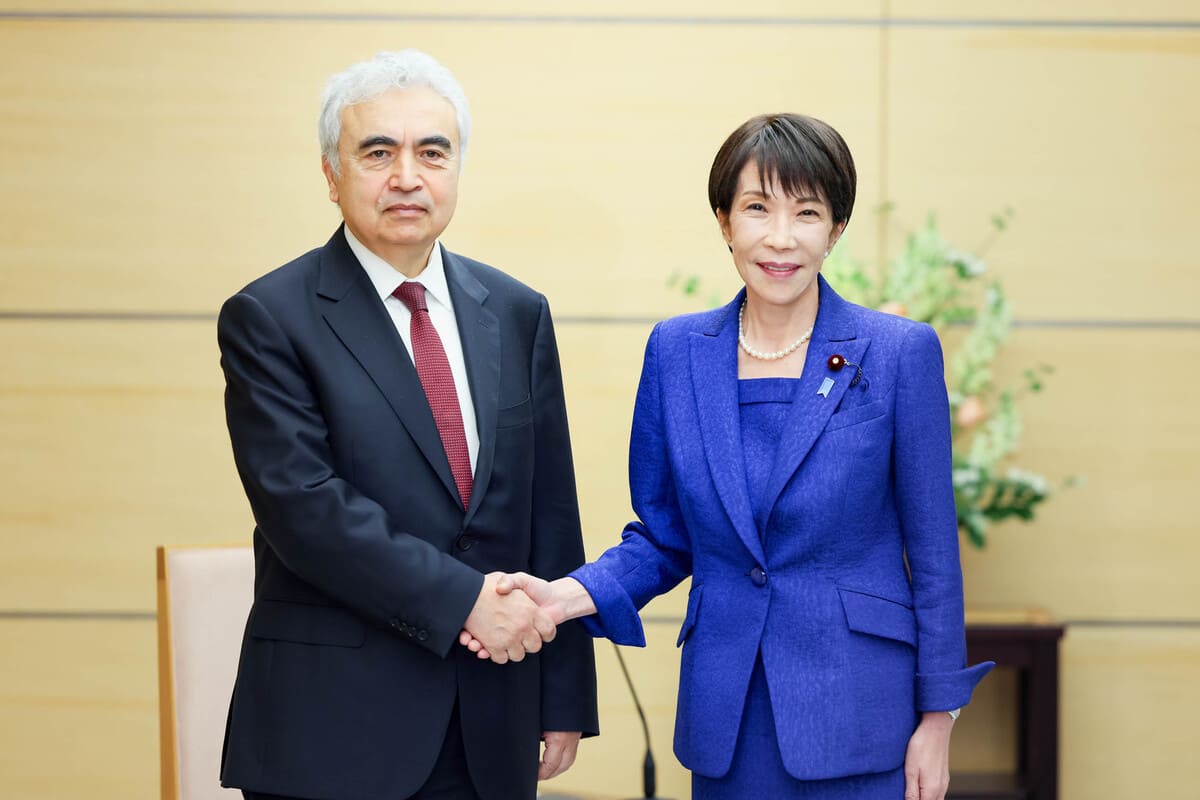
Japanese Prime Minister Sanae Takaichi met with International Energy Agency (IEA) Chief Fatih Birol on Wednesday to request a further coordinated release of oil reserves. This move comes as Tokyo seeks to protect its economy against the potential for a prolonged conflict in the Middle East.
Following a previous agreement to release a record amount of stockpiles, Prime Minister Takaichi also announced on Tuesday that Japan would open its joint oil reserves, which are co-owned by producing nations within the country. In a social media post, she emphasized the need for advanced preparations should the regional instability persist, affirming that Japan will continue to work in close coordination with the IEA.
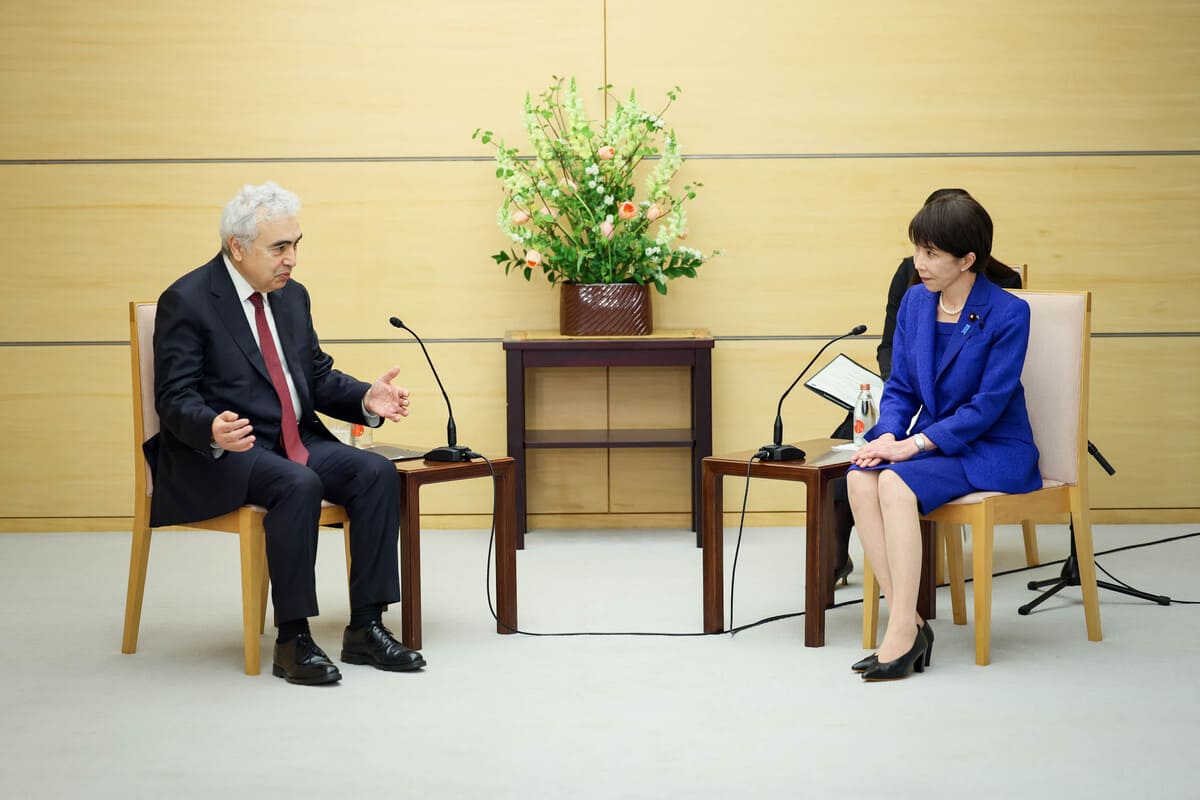
Birol signals coordinated action
During his visit to Tokyo, Fatih Birol noted that the IEA is actively consulting with governments across Europe and Asia regarding the release of additional stockpiles if necessary. He clarified that the 400 million barrels agreed for release on March 11 represent only 20 percent of the total oil and oil-product stocks held by consuming nations under IEA coordination. While Birol expressed a hope that further releases would not be required, he confirmed that the agency is prepared to act if the war continues to disrupt flows from the Middle East, Reuters reported. This coordinated effort is further viewed as a vital safeguard against the biggest supply disruption in the history of the oil market.
Japan shipping stranded in Gulf
The urgency of Japan’s request is underscored by significant disruptions to its maritime trade. Hitoshi Nagasawa, Chairman of the Japan Shipowners’ Association and head of the NYK Group, reported on Wednesday that 45 Japan-related vessels remain stranded in the Gulf due to the continued closure of the Strait of Hormuz. As one of the world’s largest shipping companies, NYK Group’s assessment highlights the severe logistical challenges facing Japanese energy imports. The closure of this critical waterway has essentially halted the transit of approximately one-fifth of the world’s crude and liquefied natural gas, necessitating these emergency strategic measures.