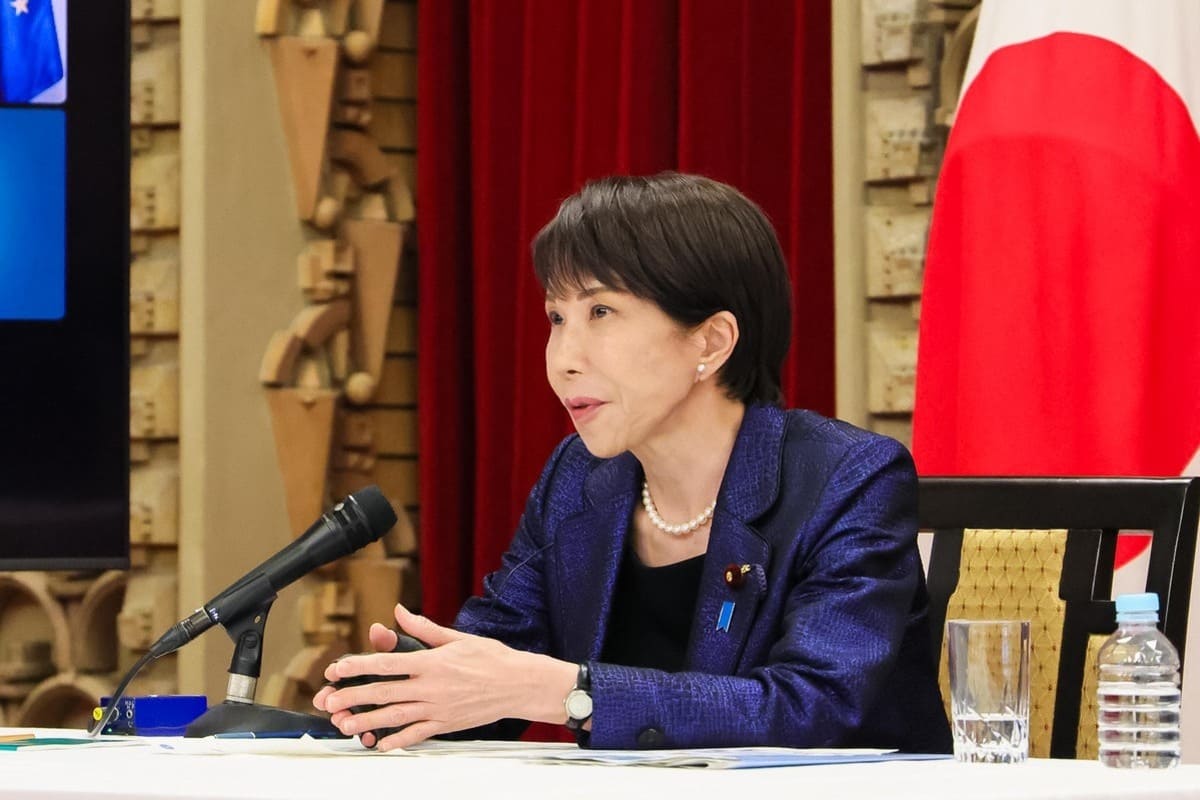
Japan is set to commence the release of oil from its state reserves this Thursday, as announced by Prime Minister Sanae Takaichi on Tuesday. This decision comes in response to growing supply concerns and soaring oil prices caused by the persistent regional conflict in the Middle East. The measure was introduced during the inaugural meeting of relevant Cabinet members tasked with finding ways to mitigate the economic impact of these tensions on Japan. This step follows the initiation of oil releases from private-sector stockpiles last week.
According to the Ministry of Economy, Trade and Industry, the government intends to sell approximately 8.5 million kiloliters of oil from 11 storage bases nationwide. Additionally, Prime Minister Takaichi stated that joint oil reserves from Middle Eastern nations stored within Japan will be accessed by the end of this month.
Ensuring stable energy supplies
Prime Minister Takaichi emphasized that the peace and stability of the Middle East are vital for both Japan and the international community. She affirmed that Tokyo will maintain close diplomatic coordination with allied nations to minimize disruptions to economic activities. During a summit in Washington last Thursday, Takaichi and U.S. President Donald Trump discussed the critical importance of ensuring stable energy supplies and safe navigation through the Strait of Hormuz. While President Trump expressed an eagerness to resolve the conflict through dialogue—noting “major points of agreement” in purported negotiations—Tehran has denied any participation in such talks. Japan remains particularly vulnerable to these developments, as it relies on the Middle East for over 90 percent of its crude oil imports, the majority of which are transported through the now effectively closed Strait of Hormuz.
Read more: Japan to cut 60 percent of greenhouse gas emissions by 2035
$5 billion fuel subsidy plan
In addition to releasing reserves, the Japanese Cabinet has decided to allocate 800.7 billion yen ($5 billion) from the current fiscal year’s budget to address the crisis. A significant portion of these funds, totaling 794.8 billion yen, will finance subsidies aimed at curbing rising gasoline prices. Last week, regular gasoline prices reached an all-time high of 190.80 yen per liter, and the government’s objective is to lower the national average retail price to approximately 170 yen. The ministerial meeting also addressed the potential economic ramifications of a decline in the domestic production of ethylene—a key component in plastics—and discussed strategies for diversifying the country’s crude oil suppliers. Following these internal meetings, Takaichi held separate discussions with Malaysian Prime Minister Anwar Ibrahim and Marshall Islands President Hilda Heine to collaborate on regional de-escalation.