
The European Central Bank continues to walk a fine line between containing inflation and supporting economic growth. While price pressures remain elevated across the euro zone, policymakers believe the current environment differs significantly from the inflation surge experienced in recent years, allowing for a more measured response rather than aggressive monetary tightening.
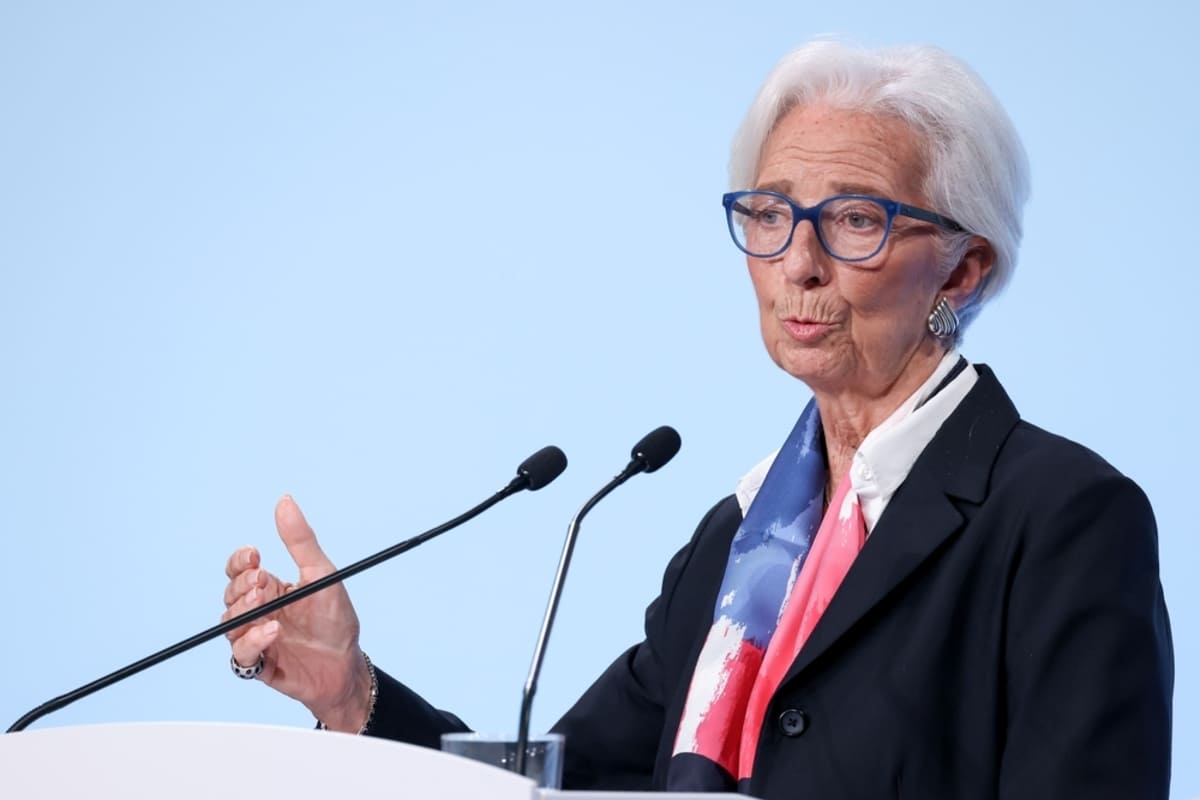
European Central Bank President Christine Lagarde said the inflation shock facing the euro zone is too significant to ignore but has not yet become severe enough to trigger persistent inflation expectations or create the type of second-round price effects that would require a much stronger policy response.
The ECB raised interest rates on June 11 after inflation climbed above 3 percent, prompting investors to speculate whether additional rate increases may be needed to prevent inflation expectations from drifting away from the central bank’s 2 percent target.
Speaking before a European Parliament committee, Lagarde said the euro area is currently experiencing what she previously described as the second of three possible inflation scenarios—an overshoot that requires measured policy adjustment but does not yet justify more aggressive intervention.
“For now, we are in the second case,” she said. “The shock is too large to look through without jeopardising our target.”
She added that there is currently no evidence of unanchored inflation expectations or second-round effects that would warrant a stronger policy response at this stage.
Rate expectations
Although Lagarde stopped short of signaling another interest rate increase, her comments reinforced market expectations that any additional tightening would likely remain limited.
The ECB’s key policy rate is generally expected to remain within its estimated neutral range, currently seen between 1.75 percent and 2.50 percent. The deposit rate currently stands at 2.25 percent.
Financial markets are pricing in between one and two additional interest rate hikes, with investors expecting the next move to occur before the end of the year.
Lagarde reiterated that the ECB will remain data dependent and adjust monetary policy as economic conditions evolve.
Read more: ECB Lagarde rejects eurozone stagflation fears despite rising growth, inflation risks
Different environment
Lagarde also emphasized that today’s inflation environment differs from the inflation crisis of 2021 and 2022, when the ECB was forced to raise interest rates at a record pace.
She pointed to several important differences, including a stronger labor market, higher household incomes, and the absence of the severe post-pandemic supply chain disruptions that previously fueled price growth.
Nevertheless, she cautioned against complacency, noting that wage negotiations may now be more sensitive to inflation shocks after households and businesses experienced an extended period of elevated price increases.
Growth outlook
Despite higher borrowing costs and elevated energy prices, the ECB continues to see resilience across parts of the euro zone economy.
Lagarde said investment activity, particularly in artificial intelligence, remains relatively strong, while healthy household balance sheets continue to provide support for consumer spending.
Although higher energy costs are expected to weigh on economic activity, these underlying strengths could help cushion the broader economy as policymakers continue balancing inflation risks with sustainable growth.