
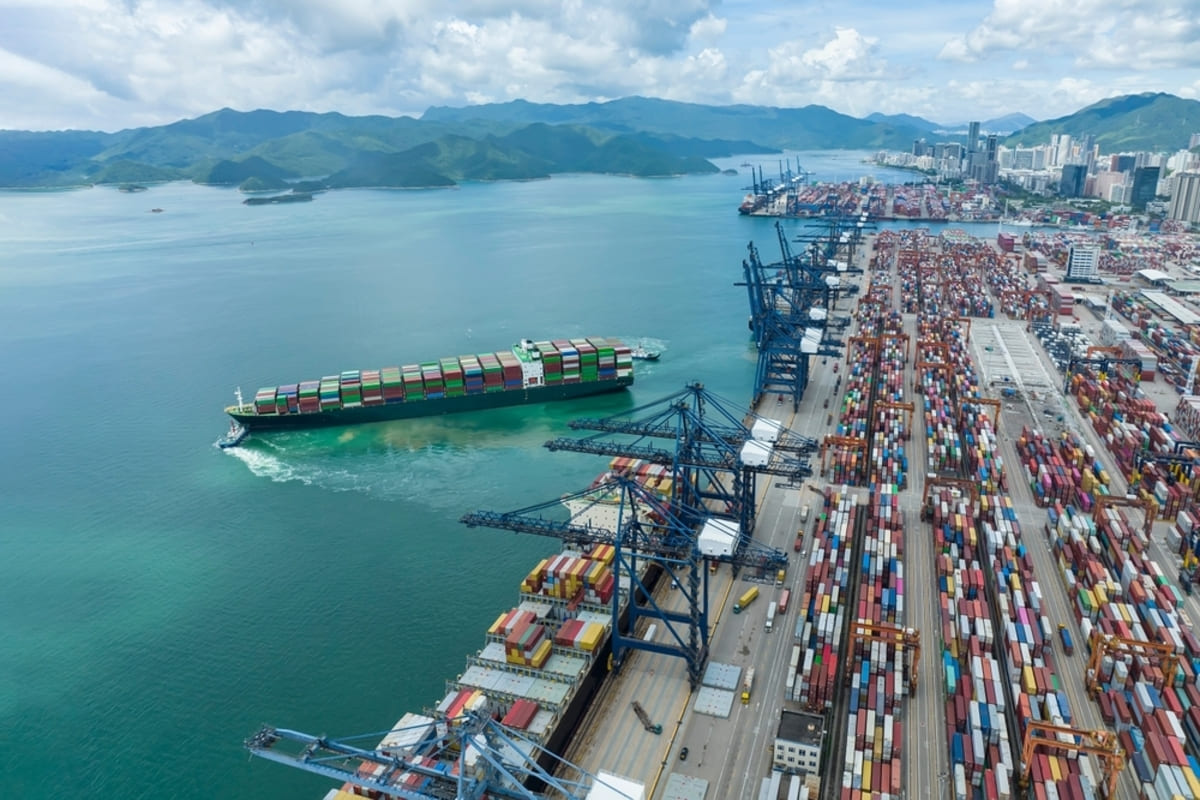
China’s annual trade surplus exceeded $1 trillion for the first time last month, according to data released on Monday. This milestone was achieved as a significant decline in shipments to the United States was counterbalanced by a surge in exports to other key markets.
Presidents Xi Jinping and Donald Trump established a tentative truce in their intense trade conflict during their meeting in late October, agreeing to halt the painful measures, which included high reciprocal tariffs.
Key economic support from exports
Exports have been a vital economic support for China, especially as its trade and relationships with the United States and other nations have changed over recent years.
This has alleviated a prolonged debt crisis in the country’s expansive property sector and sluggish domestic spending, which have hindered growth and are among the most urgent challenges facing Beijing.
According to the General Administration of Customs, exports increased by 5.9 percent year-on-year in November, recovering from the slight decline seen in October.
The figure also exceeded Bloomberg’s forecast of four percent growth.
The increase occurred despite an ongoing decline in shipments to the United States, which dropped 28.6 percent to $33.8 billion in November, according to the data.
The increase in shipments last month contributed to the country’s growing annual trade surplus, which reached $1.08 trillion for the first 11 months of the year, according to Customs data.
Macron warns of tariffs on China
In comments published Sunday, French President Emmanuel Macron warned that he would impose tariffs on China if Beijing does not decrease its substantial trade surplus with the European Union.
Macron—who just wrapped up a state visit to China last week—warned in the business daily Les Echos that “Europeans will have to take decisive actions in the coming months.”
The data released on Monday highlighted China’s weak domestic consumption, showing that imports grew by 1.9 percent compared to the previous year in November, slower than the three percent increase anticipated by Bloomberg.
Xi and Trump concurred at their October meeting in South Korea to reduce the elevated tariffs on one another’s goods and the severe export controls that had sent shockwaves through international industries.
The détente is set to end late next year, providing officials with time to negotiate a permanent agreement, although experts caution that achieving such a breakthrough will be difficult.