
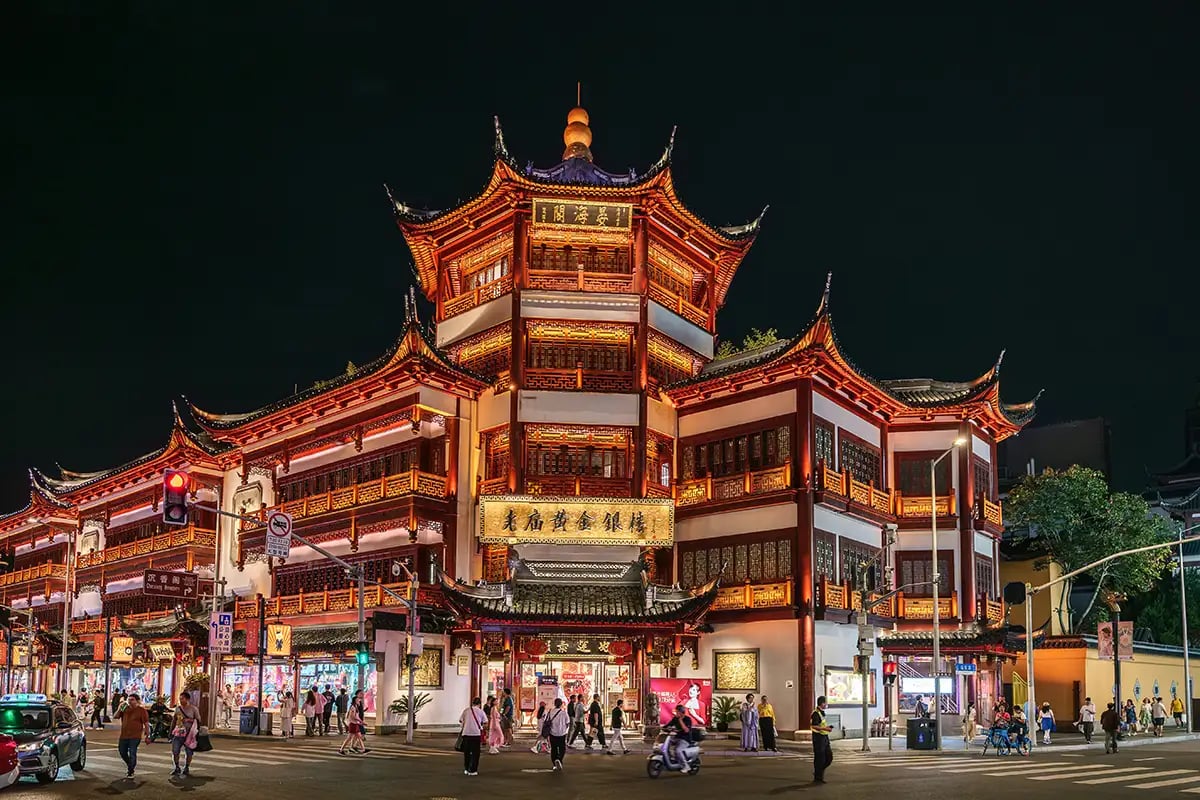
Mainland China’s personal luxury goods market shrank by an estimated 3 percent – 5 percent in 2025, marking a notable easing from the sharper downturn recorded in 2024, according to Bain & Company’s latest China Personal Luxury Report.
Consumer confidence remained subdued for much of the year, but the market began to show early signs of recovery in the third quarter. Analysts attribute the improvement to favorable base effects —comparing the second half of 2025 with the depressed levels of 2024 — alongside a firmer stock market and gradually improving sentiment.
A year of recalibration for luxury shoppers
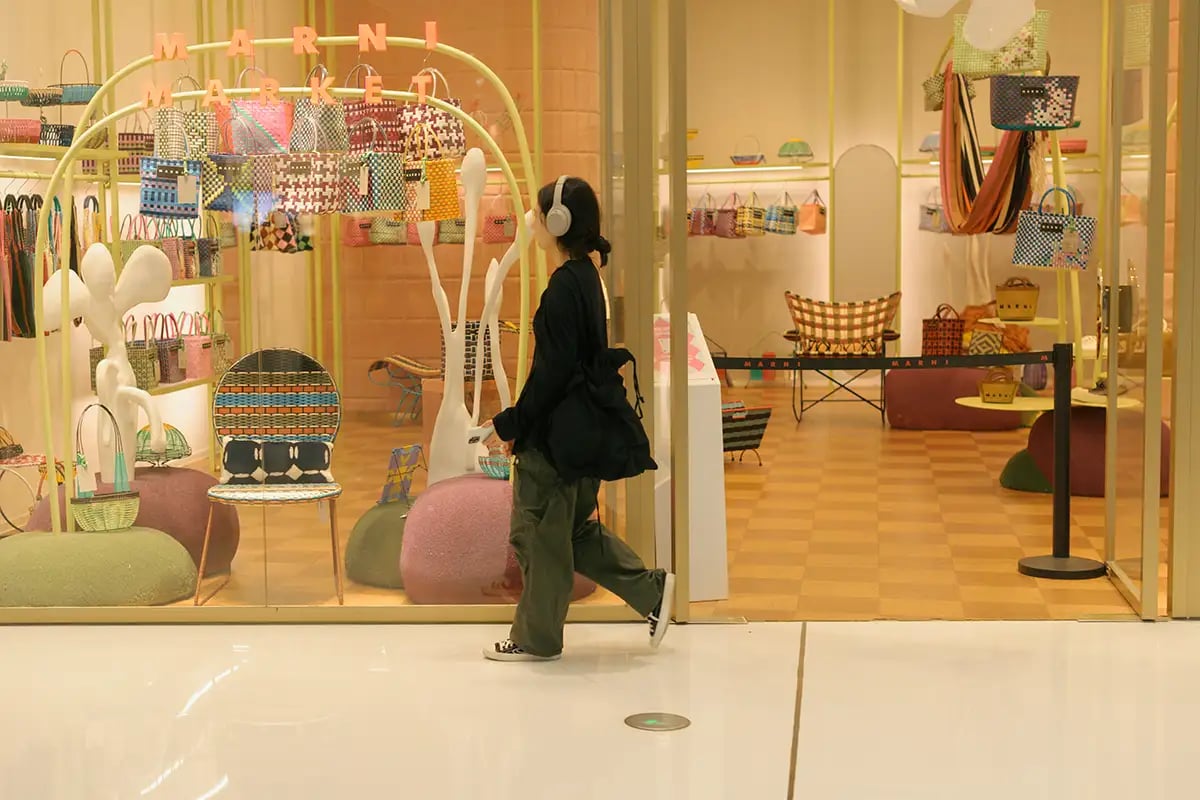
Bain describes 2025 as a period of “recalibration” for China’s luxury landscape. Consumers became more discerning, gravitating toward value-driven purchases that balance quality, exclusivity and practicality. Experience-led spending such as travel, wellness and other sensory-driven activities continued to outperform, underscoring a sustained shift toward emotional and experiential consumption over purely material acquisitions.
Bruno Lannes, Senior Partner at Bain & Company, said: “After the turbulence of 2024, the market in 2025 began to stabilize, although consumer confidence remained fragile. What we are seeing is not a broad-based rebound, but the start of a recalibration phase, with early signs of recovery emerging in the second half of the year.
“This recalibration is also segment specific, with the very important clients continuing to represent a large share of the market, while younger aspiring consumers have delayed entry into the luxury category.”
Category performance: Beauty leads, watches lag
Beauty was the standout category in 2025, returning to growth of 4 percent –7 percent. Demand for ultra-premium skincare and fragrances remained resilient as consumers sought emotional and sensory uplift amid economic uncertainty.
Fashion sales fell 5 percent – 8 percent, outperforming leather goods, which declined 8 percent – 11 percent. Bain attributes the weakness to repeated price hikes and limited product innovation, making it harder for consumers to justify purchases.
Watches faced the most severe downturn, dropping 14 percent – 17 percent. Shoppers grew more rational and increasingly diverted spending toward alternative investment assets, secondhand options and sporty or smart-device substitutes.
Jewelry showed relative resilience, with declines narrowing to 0 percent – 5 percent. Rising gold prices and a focus on value preservation helped support demand.
Priscilla Dell’Orto, Partner at Bain & Company, said: “In a more selective market, category dynamics and brand fundamentals are becoming increasingly decisive. Brands that maintain strong desirability and deliver clear value through innovation and targeted pricing strategies are proving more resilient.”
Overseas luxury spending drops as repatriation accelerates
In a sharp reversal from 2023 and 2024, Chinese consumers shifted more of their luxury spending back home. Bain estimates that 65 percent of luxury purchases occurred within mainland China in 2025, compared with 35 percent overseas.
Weaker currency levels and narrower price differences between China and major luxury hubs reduced the incentive for overseas shopping. Domestic tourism growth and aggressive mall promotions further bolstered local spending, even as outbound travel continued to recover.
Daigou activity remained elevated but showed signs of structural restraint. Sales among the top 45 brands tracked by Re-Hub on daigou platforms rose just 3 percent in 2025, down from 5 percent in 2024, as brands tightened control over overseas supply chains and unofficial channels.
Secondhand luxury grows 15 percent – 20 percent
Meanwhile, China’s secondhand luxury market expanded rapidly—up 15 percent – 20 percent —though it still represents less than 10 percent of the primary market. Growth was fueled by increased supply, rising acceptance among younger and price-sensitive consumers, and the widespread use of livestreaming for authentication and engagement.
Elle Yang, partner at Bain & Company, explained: “The secondhand market is becoming a more established and complementary pillar of China’s luxury ecosystem. Its continued growth reflects changing consumer mindsets as well as the increasing maturity of the overall market.”
Chinese luxury brands continued to gain traction, especially in beauty and select personal luxury categories. Their success stems from culturally resonant design, digital-first consumer engagement and competitive pricing supported by local supply chains.
With competition intensifying, the divide between leading and lagging brands widened. Consumers increasingly concentrated their spending on a smaller set of brands perceived to deliver “true value.”
Outlook for 2026: Modest growth, persistent volatility
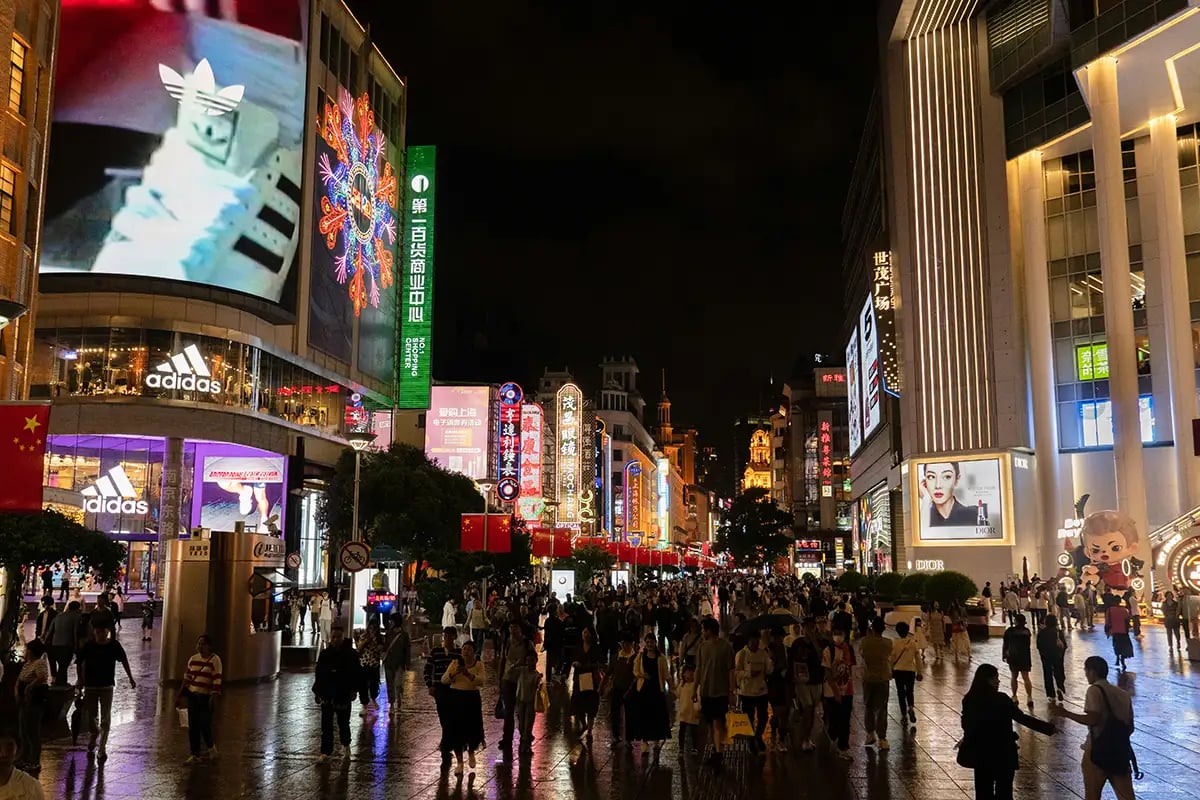
Bain forecasts modest growth for China’s personal luxury goods market in 2026, though volatility is expected to persist. A growing middle class, improving consumer confidence and supportive policies may help redirect more luxury spending back to the mainland. However, performance will remain highly uneven across categories and brands, with value perception and innovation likely to determine the winners.