
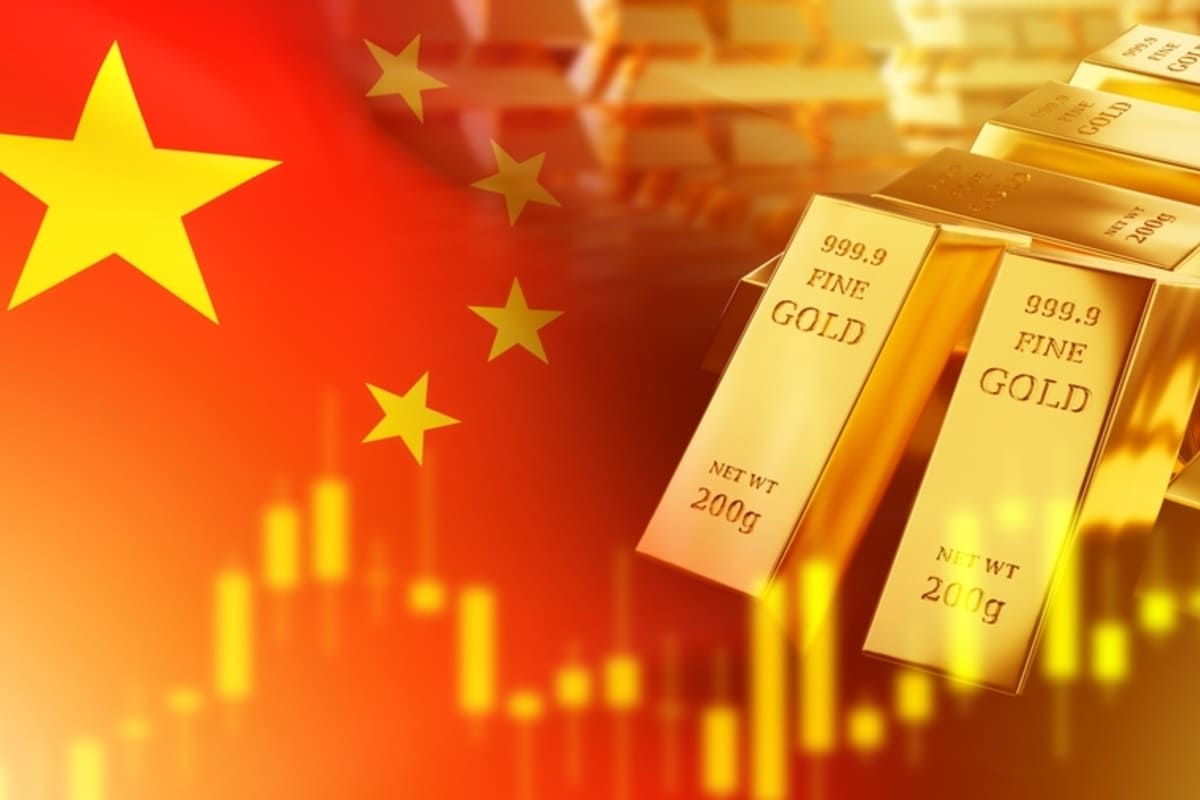
China’s People’s Bank of China (PBOC) has continued its aggressive gold accumulation strategy, adding to reserves for the 14th consecutive month in December 2025. Gold holdings reached 74.15 million fine troy ounces (approximately 2,306 tons) by month-end, up slightly from 74.12 million ounces in November. The value of these reserves surged to $319.45 billion, reflecting both quantity increases and record-high gold prices.
The PBOC added about 30,000 troy ounces in December, a modest but steady increment that extended the buying cycle which began in November 2024. This brings total acquisitions during the streak to roughly 1.35 million ounces, or 42 tons. The reserve value jumped from $310.65 billion in November, driven by gold prices exceeding $4,000 per ounce amid geopolitical shocks like events in Venezuela.
Recent data underscores the consistency of these purchases despite elevated prices. China’s holdings now represent a significant portion of its foreign exchange reserves, with gold comprising around 5-6 percent.
Read more: China maintains benchmark lending rates for seventh consecutive month
Hedging against economic uncertainties
China’s gold buying resumed in late 2024 after a brief pause, following an 18-month spree earlier in the decade. By Q3 2025, reserves hit 2,303.5 tons, up from 2,298.5 tons in Q2, building on 225 tons purchased in 2023 alone—the highest by any central bank that year. Prior pauses, such as in mid-2024, were tactical, but the current streak signals long-term commitment.
This pattern aligns with broader diversification efforts since 2022, when post-hiatus buys totaled 62 tons in two months. Total reserves have grown from under 400 tons in 2000 to over 2,300 tons today, averaging steady monthly gains.
The PBOC’s strategy hedges against U.S. dollar dominance, sanctions risks, and inflation in a volatile world. Geopolitical tensions, including U.S.-China trade frictions ($379 billion deficit in 2023) and conflicts like Russia-Ukraine or Middle East flare-ups, boost gold’s safe-haven appeal. Purchases during rising prices anticipate further appreciation, optimizing reserve structure.
Diversification reduces exposure to Fed policies and frozen assets, enhancing monetary independence. Gold’s role as an inflation hedge gains traction amid 2025’s economic uncertainties.
China’s buys contribute to robust central bank demand, with 254 tons purchased globally through October 2025—led by emerging markets like Poland. Q3 2025 saw 220 tons bought worldwide, sustaining gold’s 46 percent annual surge, the largest since 1979. Prices hit records above $4,430/oz, fueled by rate cuts, tensions, and official demand.
The PBOC ranks among top buyers, alongside Russia, reshaping reserves since 2000. Surveys predict 95 percent of central banks expect global gold reserves to rise in 2026.