
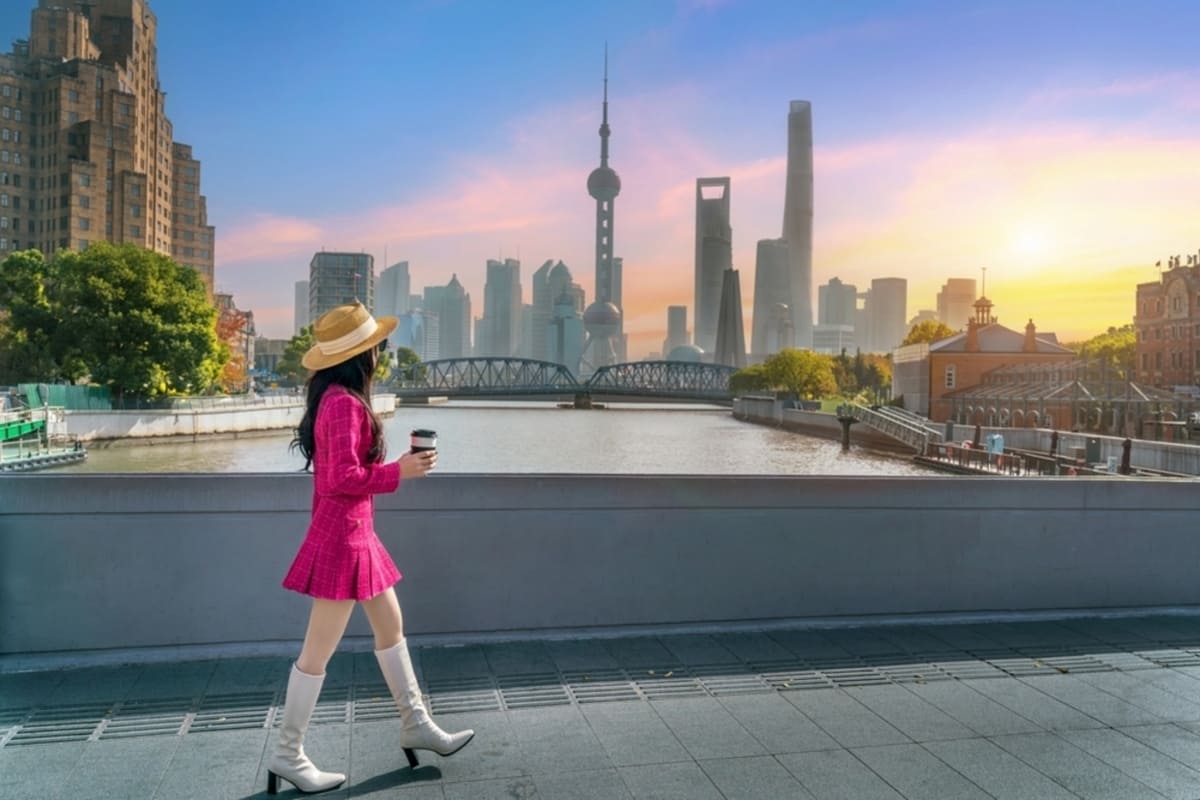
China’s tourism sector showed strong momentum during the 2026 Spring Festival holiday, with both visitor numbers and tourism spending hitting record highs. The Ministry of Culture and Tourism reported that during the record-long nine-day holiday—which ran from February 15 to February 23—a total of 596 million domestic trips were made. This represents an increase of 95 million trips compared to the eight-day holiday in 2025.
Extended stays drive growth
Domestic tourism spending reached nearly 803.5 billion yuan (approximately $116.7 billion), marking a significant increase of 126.5 billion yuan from the previous year. While the total volume of spending hit a historical peak, data from China Central Television (CCTV) and other market analysts noted that the growth was largely driven by the extended holiday duration. Travelers demonstrated a preference for longer-distance journeys and extended stays, particularly in ice-and-snow destinations in the north and “winter sun” getaways in the south.
Inbound tourism numbers double
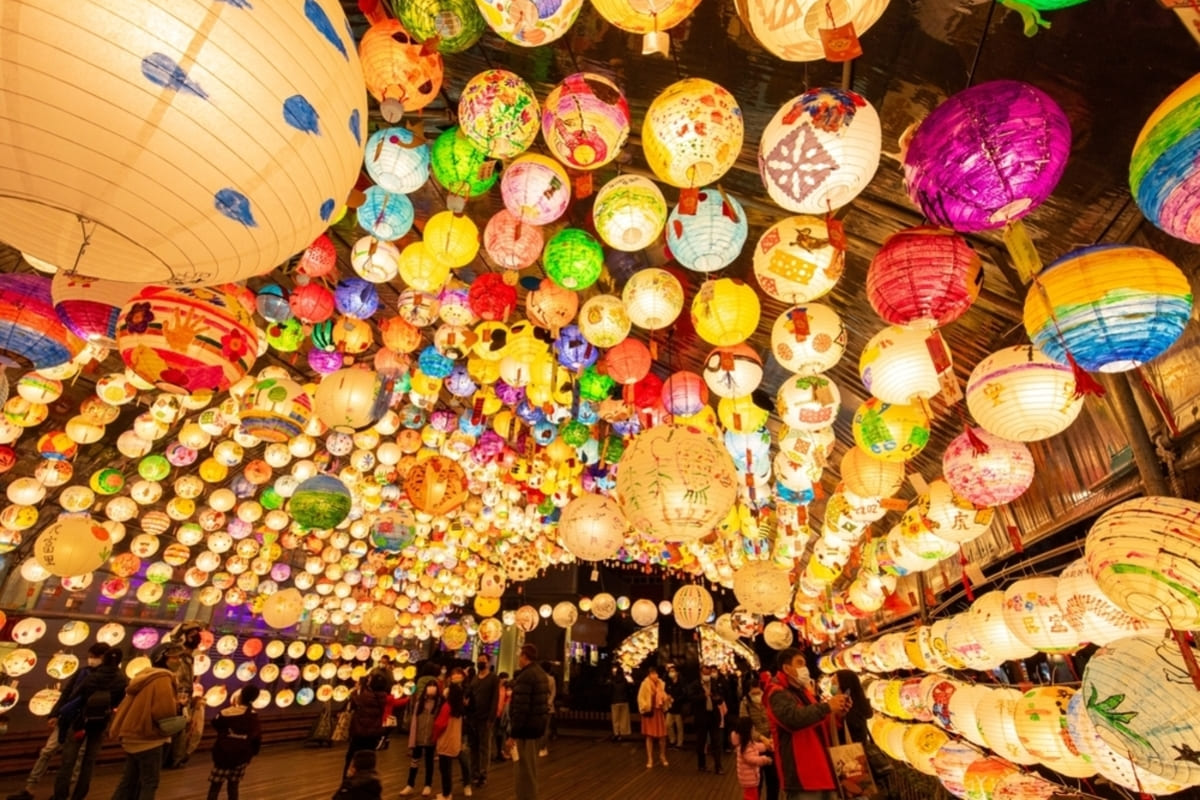
Cultural activities across the nation drew large crowds, ranging from traditional intangible cultural heritage celebrations to modern immersive experiences. Inbound tourism also saw an exceptional surge, with foreign visitor numbers doubling year-on-year. This growth was supported by expanded visa-free policies—which now include 50 countries, with the recent addition of Canada and Britain—and improved services for international travelers. Social media trends such as “becoming Chinese” (or “Chinamaxxing”) among Gen Z visitors further fueled interest in experiencing the festival’s rich cultural heritage firsthand.
AI bookings surge 800 percent
The recent Spring Festival season showcased a massive surge in travel and consumption across China, particularly within the Hainan Free Trade Port. In its first holiday period since implementing island-wide special customs operations, Hainan saw a staggering 12.32 million visits, with duty-free sales in Sanya skyrocketing by more than 214 percent during peak days. This retail boom was mirrored by a robust performance in the civil aviation sector, which managed 22.05 million passenger trips—a 7.7 percent increase—while maintaining an intense schedule of nearly 19,000 daily flights.
Underpinning these logistical feats was a significant shift toward tech-driven travel, as younger demographics embraced digital-first planning. This trend was most evident in the use of AI assistants for bookings, which surged by over 800 percent, signaling a new era of highly automated and personalized travel experiences.
For more news on hospitality & tourism, click here.