
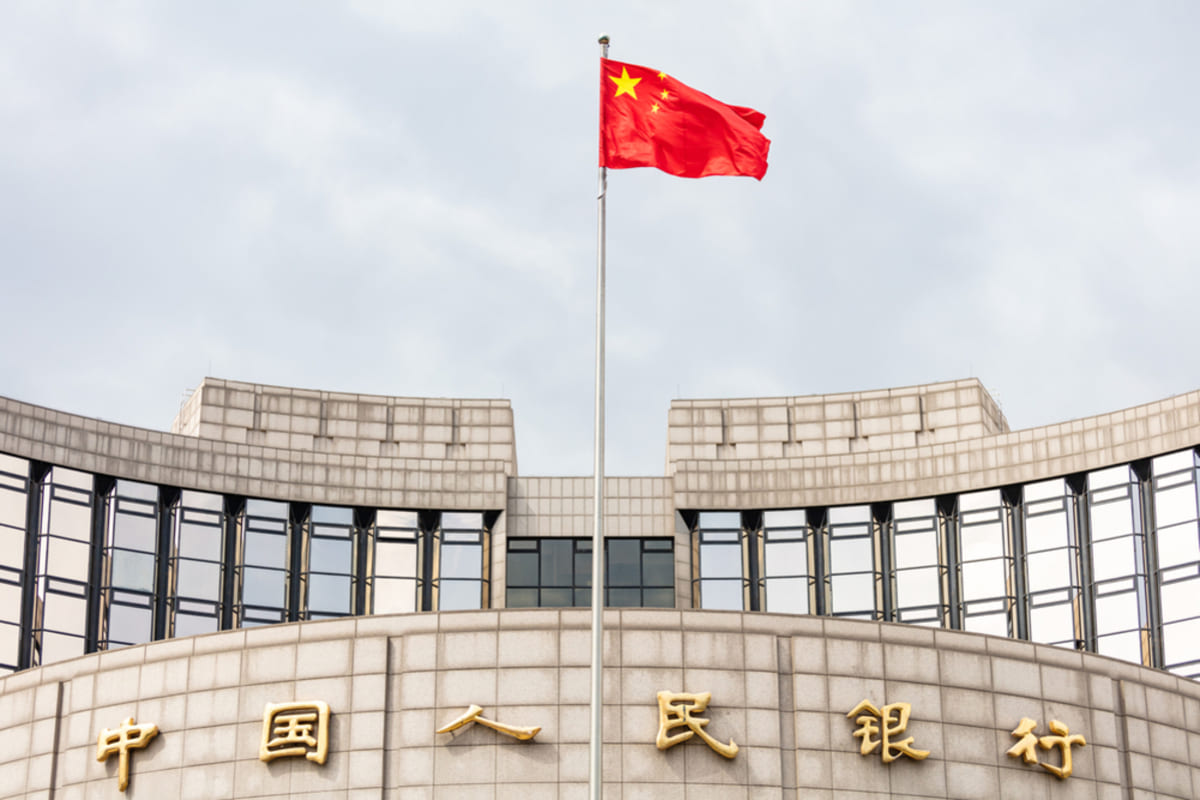
China’s People’s Bank of China (PBOC) maintained its benchmark lending rates unchanged on Monday, marking the seventh consecutive month without adjustment. The one-year loan prime rate (LPR) stayed at 3.0 percent, while the five-year LPR remained at 3.5 percent, aligning with market expectations despite persistent challenges in the property sector and slowing growth.
This decision reflects Beijing’s cautious approach to monetary policy, prioritizing stability over aggressive easing as fiscal measures take center stage. Economists note that while rate cuts could provide short-term relief, deeper interventions risk straining bank margins and exacerbating yuan pressures.
Economic pressures in 2025
China’s economy has faced mounting pressures throughout 2025, with real estate woes and subdued consumer spending dominating headlines. Industrial production growth has decelerated, retail sales lagged expectations in recent months, and property indicators continued to weaken, underscoring the need for sustained support.
The PBOC’s restraint follows a pattern of steady policy rates earlier in the year. For instance, in September, rates held firm despite a U.S. Federal Reserve cut, and similar holds occurred in July, October, November, and now December. This consistency stems from positive Q2 data earlier and recent export resilience, though analysts warn of a sharper slowdown ahead.
The seven-day reverse repo rate, now the primary policy tool, also stayed unchanged recently, signaling reduced urgency for stimulus amid easing U.S.-China trade tensions. Hong Kong’s central bank, tracking the Fed, cut rates last week, highlighting China’s independent path.
Read more: China’s trade surplus surpasses $1 trillion on strong exports despite U.S. decline
Cautious GDP growth forecast
Chinese stocks showed mixed responses post-announcement. The CSI 300 dipped slightly by 0.24 percent on a prior similar day, reflecting tempered optimism. The offshore yuan traded around 7.1 against the dollar, with mild appreciation noted amid global rate dynamics.
Investors now eye fiscal policy for momentum. Top officials pledged boosts to private spending and property stabilization in upcoming meetings, potentially including reserve requirement ratio cuts or targeted lending. Barclays’ latest forecast increases China’s 2025 GDP growth projection to 4.8 percent, up from 4.5 percent. This upward revision, announced on October 19, 2025, reflects optimism due to better-than-expected Q3 data showing growth of 4.8 percent year-on-year. Barclays notes resilience in exports and policy support, although challenges like slowing demand persist. The outlook aligns with China’s official target of approximately 5 percent but highlights the need for stimulus. Barclays’ Q4 2025 Global Outlook indicates that China’s exports slowed in Q3, with global GDP growth at 3.1 percent and potential declines in 2026.
Anticipated repo and reserve cuts
Bond yields and interbank rates remained stable, as the LPR—guided by commercial bank submissions—influences corporate and mortgage loans without immediate ripple effects.
Holding rates at record lows avoids signaling panic but limits transmission to the real economy. The one-year LPR affects most loans, while the five-year underpins mortgages, critical amid housing slumps.
Experts like those at Barclays anticipate a 10-basis-point repo cut and 50-basis-point reserve reduction in Q4 or early 2026 to aid 5 percent growth goals. Beijing’s shift from risk management to growth stimulation involves reflation efforts, curbing unproductive investments.
Fiscal dominance is evident: recent meetings emphasized property rescues and consumption incentives over monetary moves, as deeper LPR cuts could pressure banks.
Diverging policies: China vs. the Fed
The decision contrasts with Fed easing and incoming U.S. President Donald Trump’s policies, which Beijing monitors closely. A weakening yuan earlier prompted holds, balancing export competitiveness with capital flows.
Asian peers like Japan’s BoJ eye hikes, while Indonesia and Taiwan decide soon, amplifying regional divergence. China’s export strength has offset domestic weakness, but trade risks loom.
Policymakers signal more tools ahead, potentially in Q1 2026, blending monetary tweaks with fiscal firepower. Economists predict mild easing to counter deflation risks and property drags without derailing financial stability. For businesses and households, unchanged LPRs mean steady borrowing costs, buying time for structural reforms.
For more news on economy, click here.