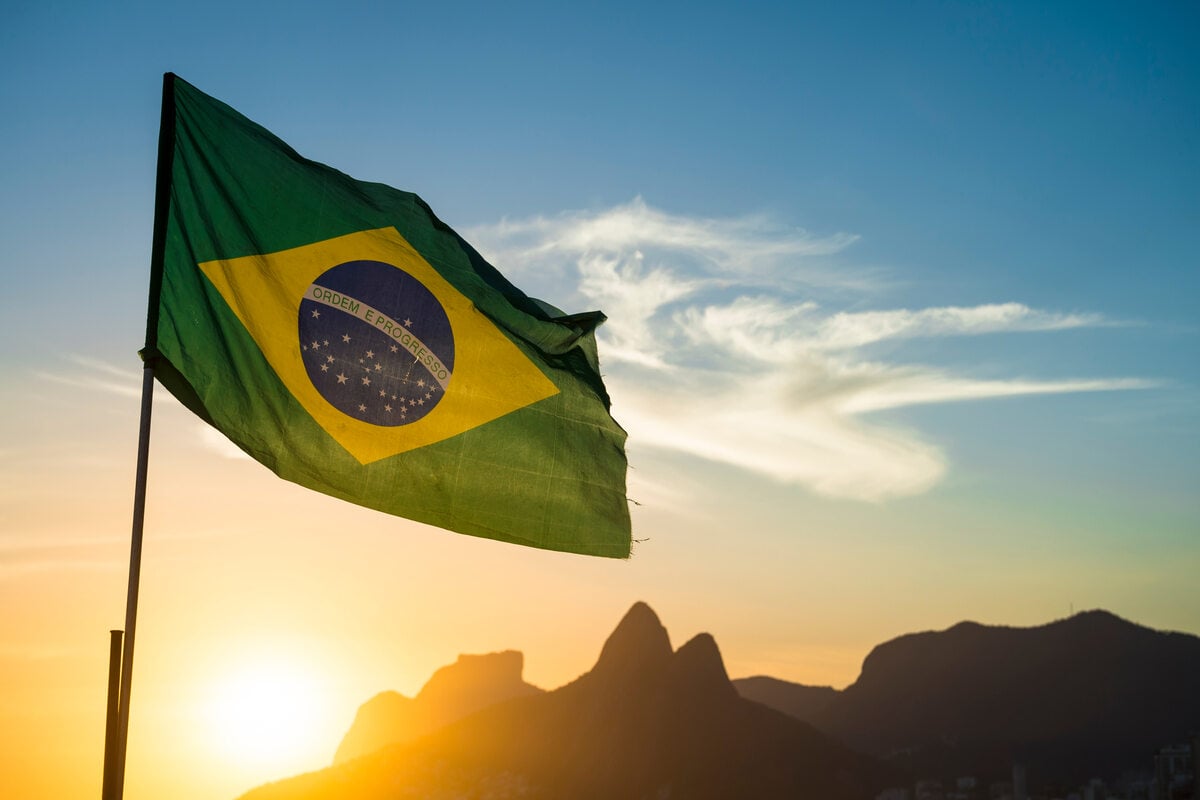
Brazil is accelerating its push to position itself as a key player in the global critical minerals supply chain, striking new partnerships with both India and South Korea during a series of high-level diplomatic engagements.
Indian Prime Minister Narendra Modi has recently announced that India and Brazil have signed a rare earth minerals agreement following talks in New Delhi with Brazilian President Luiz Inácio Lula da Silva, who is on an official visit to India. The deal underscores growing cooperation between the two emerging economies in securing access to strategic resources vital for clean energy, defense and advanced technologies.
In addition, Lula held summit talks in Seoul on Monday with South Korean President Lee Jae Myung, where the two leaders agreed to expand collaboration across trade, key minerals, technology and culture. Lee said the countries intend to elevate ties to a strategic partnership and coordinate efforts to promote stability on the Korean Peninsula.
India seeks new suppliers of rare metals
The Indian Prime Minister considered the agreement with Brazil a major step towards building resilient supply chains. For his part, the Brazilian President affirmed that increased investment and cooperation on renewable energy and rare earth minerals “are at the heart of the groundbreaking agreement we signed.”
Brazil possesses the world’s second-largest reserves of these minerals, which are essential for numerous products, such as electric cars, solar panels, smartphones, as well as aircraft engines and guided missiles.
Modi emphasized that Brazil is India’s main trading partner in South America, adding, “We are committed to increasing our bilateral trade volume to over $20 billion over the next five years.”
India is seeking to reduce its dependence on China and has developed its domestic production and recycling activities, while simultaneously searching for new suppliers of rare metals.
Read: Indonesia and U.S. finalize trade deal, cutting tariffs to 19 percent from 32 percent
Brazil posesses world’s second-largest rare earth reserves
During their meeting in Seoul, the leaders of Brazil and South Korea oversaw the signing of 10 memorandums of understanding covering trade and industrial policy, critical minerals, the digital economy, including artificial intelligence, agriculture, health and biotechnology, small business exchanges, and joint efforts to combat cybercrime, narcotics trafficking and other transnational threats.
Earlier, President Lee said the two sides adopted a four-year action plan outlining concrete steps to deepen cooperation across sectors ranging from strategic minerals to defense and space industries, as well as food security. He noted that Brazil is South Korea’s largest trading partner in South America, placing economic collaboration at the center of the bilateral agenda.
For his part, President Lula highlighted Brazil’s position as home to the world’s second-largest rare earth reserves, along with significant nickel deposits, expressing hopes of drawing greater investment from South Korean companies into the country’s mining and processing sectors.