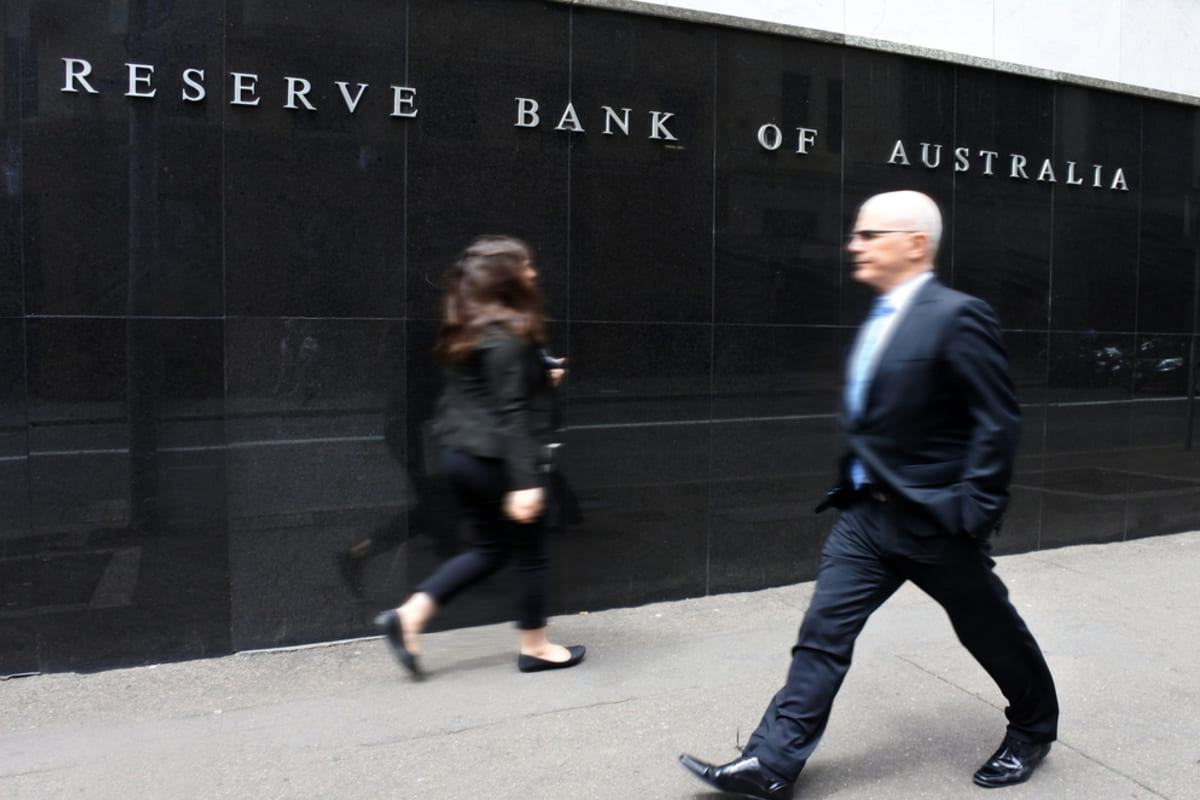
The Reserve Bank of Australia (RBA) has lifted the cash rate to 3.85 percent. The 25-basis-point increase, announced following the board’s first meeting of 2026, marks the first time the central bank has tightened monetary policy since late 2023. The decision signals a dramatic shift in the nation’s economic narrative, effectively ending the short-lived easing cycle of 2025 and returning the RBA to a hawkish footing to combat a stubborn resurgence in consumer prices.
Pivoting to hawkish stance
The board’s decision was unanimous, driven by a series of data points that suggest the Australian economy is running significantly hotter than previously forecasted. According to the RBA’s post-meeting statement, while inflation has retreated from its 2022 peaks, it “picked up materially” during the second half of 2025. This rebound has been fueled by robust private demand, a resilient labor market, and persistent capacity pressures. Governor Michele Bullock emphasized that the board is “uncomfortable” with current inflation levels, noting that the risk of high prices becoming entrenched outweighs the immediate pain of higher borrowing costs for households.
The primary catalyst for the hike was the December 2025 Consumer Price Index (CPI) data, which showed headline inflation climbing to 3.8 percent, up from 3.4 percent in the previous month. More concerning for the central bank was the “trimmed mean” inflation—the RBA’s preferred measure of underlying price pressures—which rose to 3.3 percent. This remains stubbornly above the bank’s target band of 2 to 3 percent. Economic analysts suggest that the “sticky” nature of services inflation, ranging from insurance premiums to dining out, has proven more difficult to dislodge than the temporary supply-chain shocks seen in previous years.
Hiking strains households as inflation forecast shifts
Market reactions were swift, as the nation’s “Big Four” banks—CBA, NAB, Westpac, and ANZ—moved almost immediately to signal they would pass the increase on to variable-rate mortgage holders. For the average Australian borrower with a $750,000 mortgage, this latest hike translates to an estimated $112 increase in monthly repayments. This comes as a blow to millions of homeowners who had only just begun to feel the benefits of the three rate cuts delivered throughout 2025. Financial markets, which had priced in a high probability of a hike leading up to the meeting, are now recalibrating for a higher-for-longer interest rate environment.
The RBA’s updated Statement on Monetary Policy (SMP) further darkened the outlook for those hoping for a quick return to rate cuts. The central bank now forecasts that core inflation will not return to the midpoint of its target range until mid-2028, a significant delay from previous estimates. This suggests that the 2025 rate cuts may have been premature, or that the economy’s underlying strength—bolstered by strong population growth and high levels of public and private investment in sectors like renewable energy—is simply too great for the current level of restrictiveness to contain.